Backflow Prevention: Protecting Your Home’s Water Supply
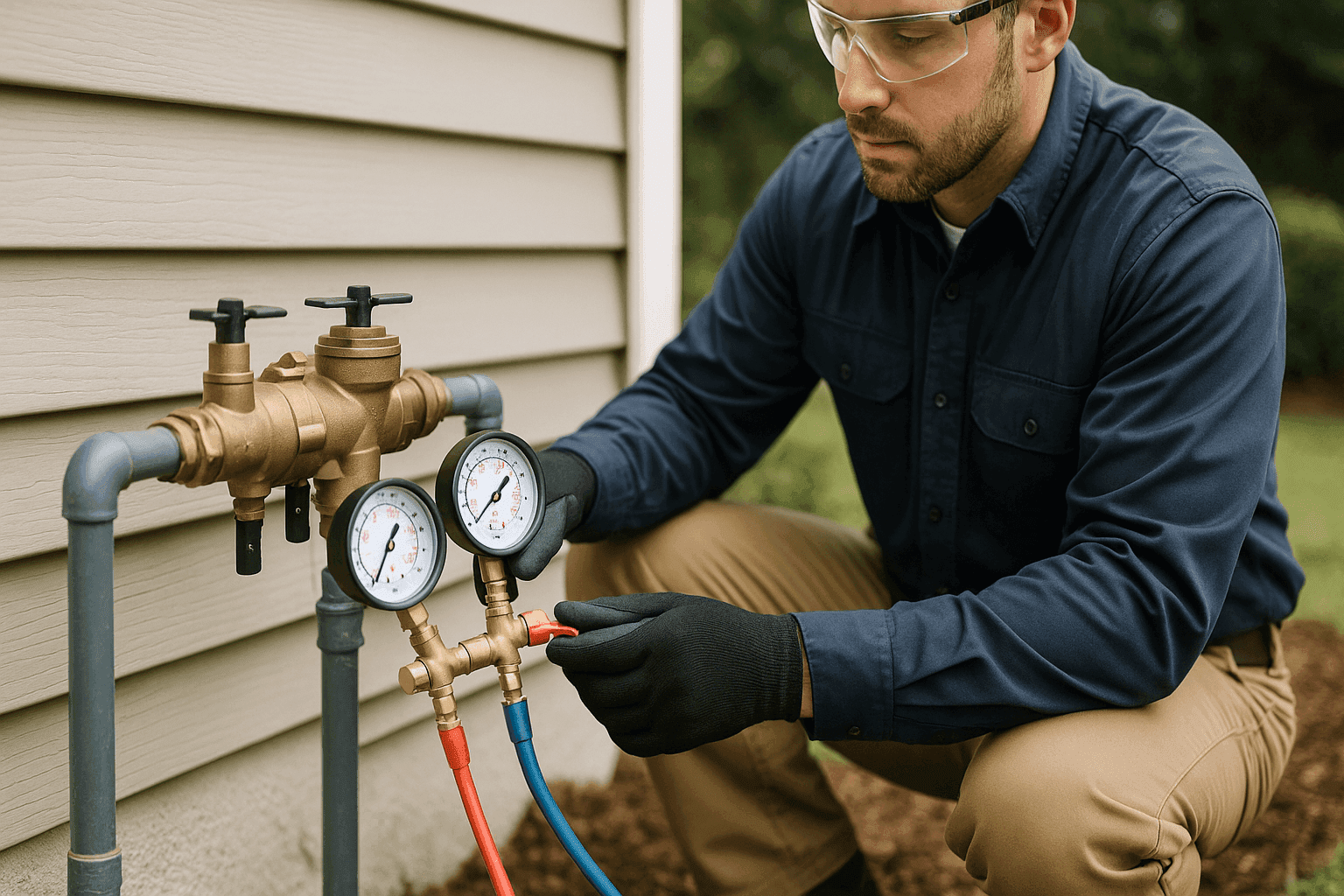
Every family wants peace of mind about the water coming from their taps. That’s not just about taste or clarity—it’s about real safety, too. At Ants Plumbing, we get calls every week from homeowners worried about sudden changes in water pressure, strange smells, or unexplained leaks. Sometimes, these signs point to a silent troublemaker: backflow.
Backflow is one of those hidden dangers that can sneak up on any home. The good news? With the right know-how and equipment, you can keep your water supply safe from contamination—day or night.
What is Backflow and Why is it Dangerous? 🚨
Imagine water in your pipes like traffic on a one-way street. The flow should always move forward, bringing clean water into your home. But what if something causes the direction to suddenly reverse? That’s backflow.
Backflow happens when water flows the wrong way, pulling dirty water, chemicals, or bacteria from sources like your garden hose, irrigation system, or even a flooded basement back into your drinking water. It’s more common than most people realize, especially after big storms or when firefighters tap into hydrants nearby.
Why is this a problem? Because the water that should be safe for brushing teeth, cooking, and bathing can suddenly carry fertilizers, pesticides, sewage, or industrial waste. Even a small amount of contamination can cause serious health risks—especially for children, seniors, or anyone with a weakened immune system.
Backflow isn’t just a plumbing issue. It’s a health hazard. The U.S. Environmental Protection Agency (EPA) and state health codes all agree: preventing backflow is essential to keeping your water supply safe.
Devices That Prevent Backflow
So how do you stop water from reversing course? Plumbers use special backflow prevention devices that act like locks on a door—letting clean water in, but slamming shut if anything tries to flow the wrong way.
Here are the most common devices you’ll find in residential settings:
- Air Gap: The simplest solution. It’s literally a gap of air between a faucet and the flood level of a sink or tub. No moving parts, just physics.
- Atmospheric Vacuum Breaker (AVB): Often installed on outdoor faucets and irrigation lines. It creates a barrier using air pressure, preventing contaminated water from siphoning back.
- Pressure Vacuum Breaker (PVB): Similar to an AVB but can be installed in more places, like sprinkler systems.
- Double Check Valve Assembly (DCVA): This device uses two check valves for extra safety. It’s common for larger homes or properties with fire sprinkler systems.
- Reduced Pressure Zone (RPZ) Assembly: The gold standard for maximum protection, especially when hazardous substances are nearby.
Each device has a specific use and is required by plumbing codes (like the Uniform Plumbing Code and local ordinances) for certain fixtures or plumbing layouts. Not sure which device you need? That’s where a certified plumber comes in.
How to Tell if You Need a Backflow Preventer
Not every home needs the same level of protection. But certain risk factors make backflow prevention a must. Here’s a quick checklist to help you spot danger zones in your home:
- Do you have a lawn irrigation or sprinkler system?
- Is there a swimming pool, hot tub, or decorative pond on your property?
- Have you installed a bidet, mop sink, or outdoor hose bib?
- Is your home’s plumbing more than 25 years old?
- Have you noticed sudden drops in water pressure or unexplained leaks?
- Are there any cross-connections (points where clean and dirty water lines meet), especially in older bathrooms or kitchens?
- Do you fill large aquariums or use chemical feeders for gardening?
- Have you recently remodeled, adding new fixtures or appliances?
If you answered yes to any of these, it’s time to talk backflow prevention. Even the best “Sump Pump Repair near you” won’t stop contaminated water from entering your pipes if backflow isn’t blocked at the source.
Testing and Maintenance Requirements 🧰
Installing a backflow preventer isn’t a one-and-done job. Like smoke detectors or water heaters, these devices need regular inspection and maintenance to stay reliable.
What’s required?
- Most states and municipalities require annual testing by a certified backflow tester. (Ants Plumbing’s team is state-certified and stays up to date on all the latest regulations.)
- If a device fails, it must be repaired or replaced right away.
- Always keep records of all test results and repairs, as health departments may request them.
- Visual checks for leaks, corrosion, or unusual noises should be done at least twice a year—especially after major plumbing work or severe weather.
Important: Only a certified tester should perform official tests and repairs. DIY fixes can void warranties and endanger your family’s safety.
For more details, check resources from the EPA, your local water authority, or plumbing codes like the Uniform Plumbing Code (UPC).
Health and Safety Regulations
Backflow prevention isn’t just a “good idea”—it’s the law. Plumbing codes at the city, county, and state level all require backflow devices on systems where contamination is possible.
- Municipal codes: Vary from place to place, but most require devices on irrigation, pools, fire sprinkler systems, and commercial kitchens.
- State laws: Often reference the International Plumbing Code (IPC) or Uniform Plumbing Code (UPC).
- Water utilities: Many water suppliers require proof of annual backflow device testing to maintain water service.
Failing to follow these rules can result in fines, service shut-offs, or even legal action if someone is injured due to contaminated water.
Ants Plumbing’s backflow testers are licensed, insured, and experienced in all the codes that matter in your area. We’ll help keep your home in full compliance—no guesswork, no shortcuts.
Backflow Risk Checklist for Homeowners
Worried your home might be at risk? Here’s a quick list to review:
- Lawn irrigation or sprinkler system installed
- Swimming pool, spa, or hot tub on property
- Outdoor hose bibs with sprayers or chemical feeders
- Older plumbing with possible cross-connections
- Basement or crawl space sump pump
- Recent plumbing renovations (new fixtures, bathrooms, kitchens)
- Well water or private water supply
- Frequent drops in water pressure
If any of these apply, schedule a backflow evaluation with a certified plumber. Don’t wait for an emergency plumbing call—prevention is always easier.
What Happens During a Backflow Test?
Wondering what to expect when a certified tester arrives? Here’s a step-by-step breakdown:
-
Visual Inspection
The technician checks the device for obvious signs of wear, leaks, or damage. -
Pressure Testing
Using specialized gauges, the tester measures pressure differences to ensure the device is working as designed. -
Record Keeping
All test results are documented for your records and, if required, submitted to your local water authority. -
Recommendations
If repairs or replacements are needed, you’ll get a clear explanation—no mystery charges, no unnecessary work.
Certified pros from Ants Plumbing carry all the tools and parts needed for most repairs on the spot. You’ll know exactly where you stand before any work begins.
Preventative Maintenance Tips 🛠️
Keep your water clean and your plumbing headache-free:
- Schedule annual backflow device tests—mark it on your calendar!
- Watch for signs of trouble: water discoloration, low pressure, or odd smells.
- Never attach hoses or pipes directly to chemical tanks or buckets.
- Replace worn or damaged hoses and fittings right away.
- If you add new fixtures, pools, or irrigation, ask about updated backflow needs.
A little attention now can save you thousands in emergency plumbing repairs—and protect your family’s health.
Costs and Time Factors
Backflow prevention doesn’t have to break the bank, but costs vary based on your home’s setup:
- Testing fees: Usually range from an hour’s labor up to half a day, depending on device type and access.
- Repairs: Minor fixes may be quick, but replacements or upgrades (like a new RPZ assembly) take longer.
- Annual maintenance: Plan for a yearly checkup—think of it like a routine doctor visit for your home.
Time-wise, most tests take 30–60 minutes per device. If repairs are needed, your plumber will let you know up front what’s involved.
When It’s an Emergency
Sometimes, backflow is more than a future risk—it’s an immediate crisis. If you notice any of the following, call emergency plumbing services right away:
- Water suddenly changes color, smells foul, or tastes strange.
- You see water backing up from sinks, tubs, or toilets.
- There’s a sudden loss of water pressure in the whole house.
- Anyone in your home experiences unexplained stomach issues or illness after using tap water.
Do not try to fix these issues yourself. Shut off your main water supply if you can do so safely, and contact a certified plumber immediately. Your family’s health could depend on a fast response.
Frequently Asked Questions
Q: Is backflow really common in residential homes?
A: Yes. While most people associate backflow with factories or public buildings, homes with irrigation, pools, or older plumbing are just as vulnerable.
Q: How often does my backflow device need to be tested?
A: Most local codes require yearly testing by a certified professional, but check with your water supplier for specific rules.
Q: Can I install a backflow preventer myself?
A: No. Backflow devices must be installed and tested by licensed plumbers to meet code and insurance requirements.
Q: What’s the difference between a check valve and a backflow preventer?
A: All backflow preventers use check valves, but not all check valves provide enough protection against contamination. Only certified devices are approved for most residential uses.
Local and Seasonal Considerations 🌦️
Backflow risks can change with the seasons. Here’s what to watch for:
- Spring/Summer: Irrigation and pool use ramp up—test devices before use.
- Fall: Leaves clog drains and gutters, increasing backup risks.
- Winter: Freezing can crack pipes and damage backflow devices—insulate exposed lines and schedule a pre-winter check.
Older homes, or those with complex plumbing, may need more frequent checks. If you’re planning a renovation or adding new water features—consult a licensed plumber about upgraded backflow protection.
Protect Your Family’s Water—Take Action Today
Backflow prevention is about more than plumbing. It’s about safeguarding your family’s health and protecting your home from costly damage. Don’t wait until you’re searching for “emergency plumbing near you” in the middle of the night.
Ants Plumbing is proud to be your local, state-certified backflow testing team—ready to answer questions, provide thorough inspections, and keep your water safe all year round.
Call Ants Plumbing now — or reach us anytime at 877-753-5879 .