How to Choose the Best Water Filtration System for Your Home
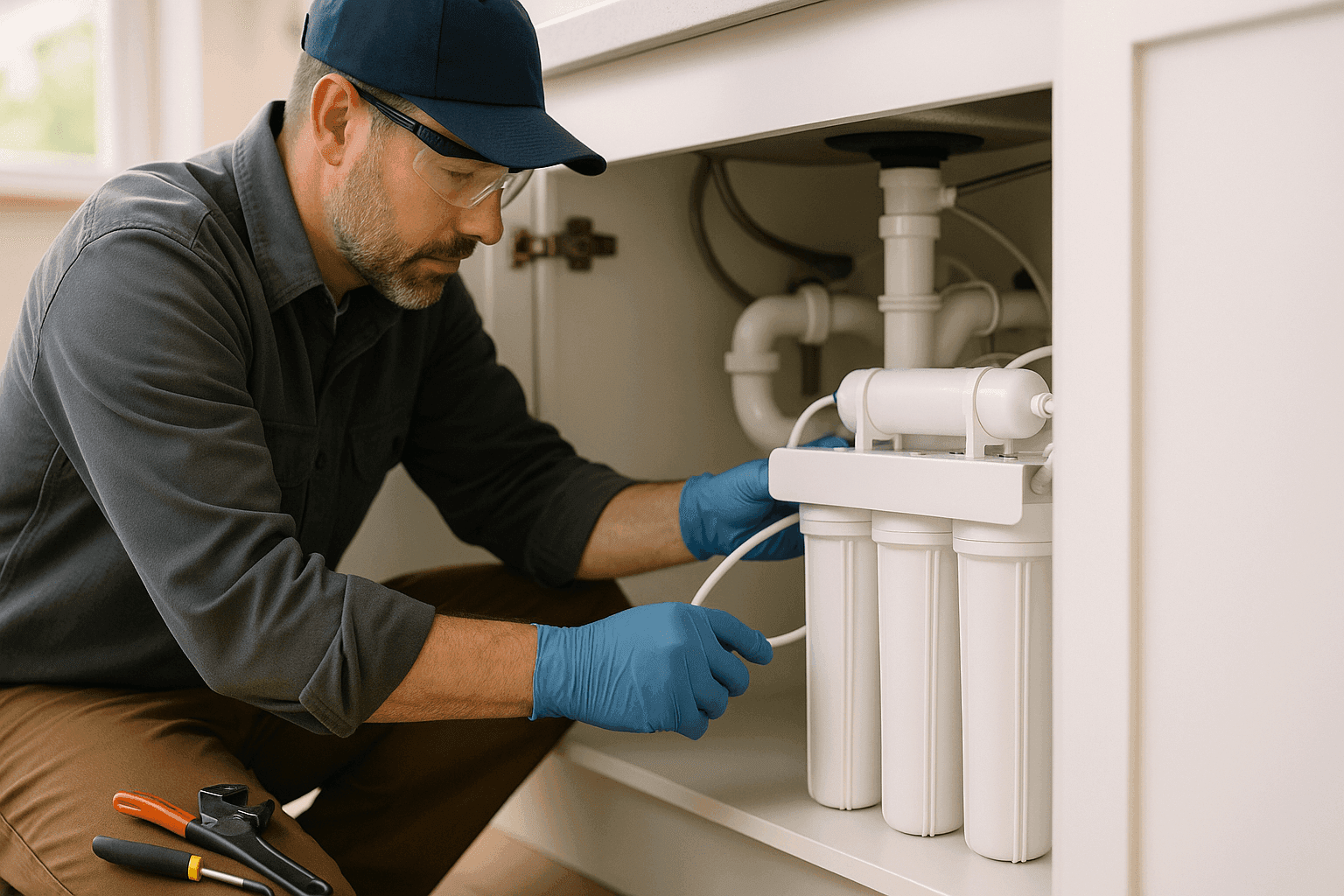
Water is life. We drink it, cook with it, and trust it to keep our families safe and healthy. But what’s really in your tap water? If you’re like most homeowners, you want crystal-clear answers—not just marketing talk.
At Ants Plumbing, we’ve helped countless families tackle emergency plumbing, Sump Pump Repair near you, and yes, water filtration headaches. Here’s what you should know before picking a system for your home.
Why Water Quality Matters 🏡
Water isn’t just water. It’s a mix of minerals, chemicals, and sometimes, unwelcome guests.
- Contaminants: Lead, chlorine, bacteria, pesticides—these can sneak in through old pipes or water mains.
- Taste and Odor: Ever notice a metallic tang or musty smell? That’s more than unpleasant. It could signal real problems.
- Health Risks: According to the U.S. Environmental Protection Agency (EPA), certain contaminants can harm children, seniors, and anyone with a sensitive immune system.
- Appliance Damage: Hard water leaves scale that can clog pipes, wear down heaters, and force you to call for pipe repair far too often.
Clean water isn’t just about taste. It’s about trust and safety.
Types of Water Filtration Systems
Choosing a water filter can feel like walking through a maze. Each type has pros, cons, and a “best fit” scenario.
Pitcher Filters
- Quick fix: Grab-and-go. No installation.
- Best for: Renters, small households, or backup use.
- Limitations: Limited capacity. Filters need frequent changing.
Under-Sink Filters
- Hidden heroes: Tucked away. Directly filter water for a single tap.
- Best for: Kitchens with moderate water use.
- Limitations: Only filters one faucet. Installation can be tricky.
Reverse Osmosis (RO) Systems
- Heavy-duty: Removes a broad range of contaminants—even tiny particles.
- Best for: Households with tough water issues or health concerns.
- Limitations: Wastes some water. Slower output. More expensive.
Whole-Home (Point-of-Entry) Filters
- All-in: Filters every drop coming into your house.
- Best for: Homes with hard water, well water, or widespread plumbing concerns.
- Limitations: Higher upfront cost. Professional installation usually needed.
How to Assess Your Home’s Needs 🕵️
Not all water needs fixing. But every home is different. Here’s how to figure out what you actually need:
-
Get a Water Quality Report
- Your local water supplier is required by law to provide an annual Consumer Confidence Report (CCR). This spells out what’s in your water, according to EPA guidelines.
- On a well? Consider lab testing or home test kits.
-
Check for Specific Issues
- Stains on sinks or tubs? That could mean iron or manganese.
- Limescale buildup? Blame hard water.
- Family health concerns? Sensitive users may need extra protection.
-
Think About Usage
- Do you want filtered water only in the kitchen? Or for every shower, laundry, and faucet?
- How many people live in your home? Bigger households may outgrow smaller systems fast.
-
Consider Plumbing and Space
- Some filters require under-sink space, new pipes, or electrical access.
- Not sure? That’s where a professional plumbing assessment helps.
Comparing Costs and Features 💡
Let’s talk numbers—and what you actually get for your money.
- Pitcher Filters: $20–$50 upfront. Ongoing cost for replacement filters ($5–$15/month).
- Under-Sink: $100–$500 for the unit. DIY installation possible, but leaks can mean emergency plumbing later.
- RO Systems: $200–$800+ for the unit. Maintenance includes filter and membrane replacement.
- Whole-Home: $500–$3,000+ installed. Filters last longer. May need media changed every few years.
Features to weigh:
- Filter lifespan and cost
- What contaminants are removed (always check certifications)
- Water flow rate (slow filters can frustrate busy families)
- Space and installation needs
A good system balances protection, convenience, and ongoing cost. Think marathon, not sprint.
Installation and Maintenance Tips 🛠️
A water filtration system isn’t “set it and forget it.” Skipping maintenance can turn a helpful filter into a hidden hazard.
Before Installation
- Always check local plumbing codes before you start.
- Ensure your shutoff valves work—leaks can get out of hand fast.
- For whole-house systems, turn off the main water supply.
After Installation
- Mark your calendar for filter changes. Old filters can breed bacteria.
- Watch for drops in water pressure—a clogged filter may be the culprit.
- If you spot leaks or water stains, call for emergency plumbing help before things spiral.
Professional Touch
Ants Plumbing has installed hundreds of filtration systems—under sinks, in basements, and everywhere in between. We follow manufacturer specs and local code, so you’ll never have to worry about a “quick fix” turning into a bigger headache.
Real-World Safety and Guidelines
- EPA: Always choose filters certified by ANSI/NSF standards.
- Local Codes: Some towns require backflow prevention with certain systems—check before you buy.
- Regular Inspections: Like any home system, annual plumbing checkups can catch problems before they become emergencies.
When to Call for Emergency Plumbing
Sometimes, water quality issues signal bigger problems—broken pipes, cross-connections, or backflow. If you notice:
- Sudden drop in water pressure
- Discolored or foul-smelling water
- Water pooling where it shouldn’t be
Don’t wait for it to get worse. Emergency plumbing services can prevent damage, protect your home’s value, and keep your family safe.
FAQ
How often should I change my water filter?
Most need replacement every 3–6 months, but check your model’s manual. If you notice slow flow or a bad taste, change it sooner.
Can I install a filter myself?
Some, like pitcher or faucet-mounted filters, are DIY-friendly. Under-sink or whole-home systems often need professional installation to avoid leaks and code issues.
What does a water filtration system NOT remove?
Most filters can’t tackle all contaminants. Reverse osmosis systems handle the most, but may not remove some bacteria or viruses unless paired with UV.
Is filtered water always better than bottled?
Home filtration cuts down on plastic waste and gives you control over what’s removed. Plus, it’s there when you need it—no last-minute grocery runs.
Local and Seasonal Considerations 🌦️
Water quality can change with the seasons. Heavy rains or droughts may shift what’s coming out of your tap. Well water users should test after storms or floods. And if you live in an older neighborhood, aging pipes can introduce new risks overnight.
Ants Plumbing stays updated on local advisories and code changes. We help homeowners adapt, not just react.
Ready for water you can trust? Call Ants Plumbing now — or reach us anytime at 877-753-5879 .