How Much Does It Cost to Repair or Replace a Water Heater?
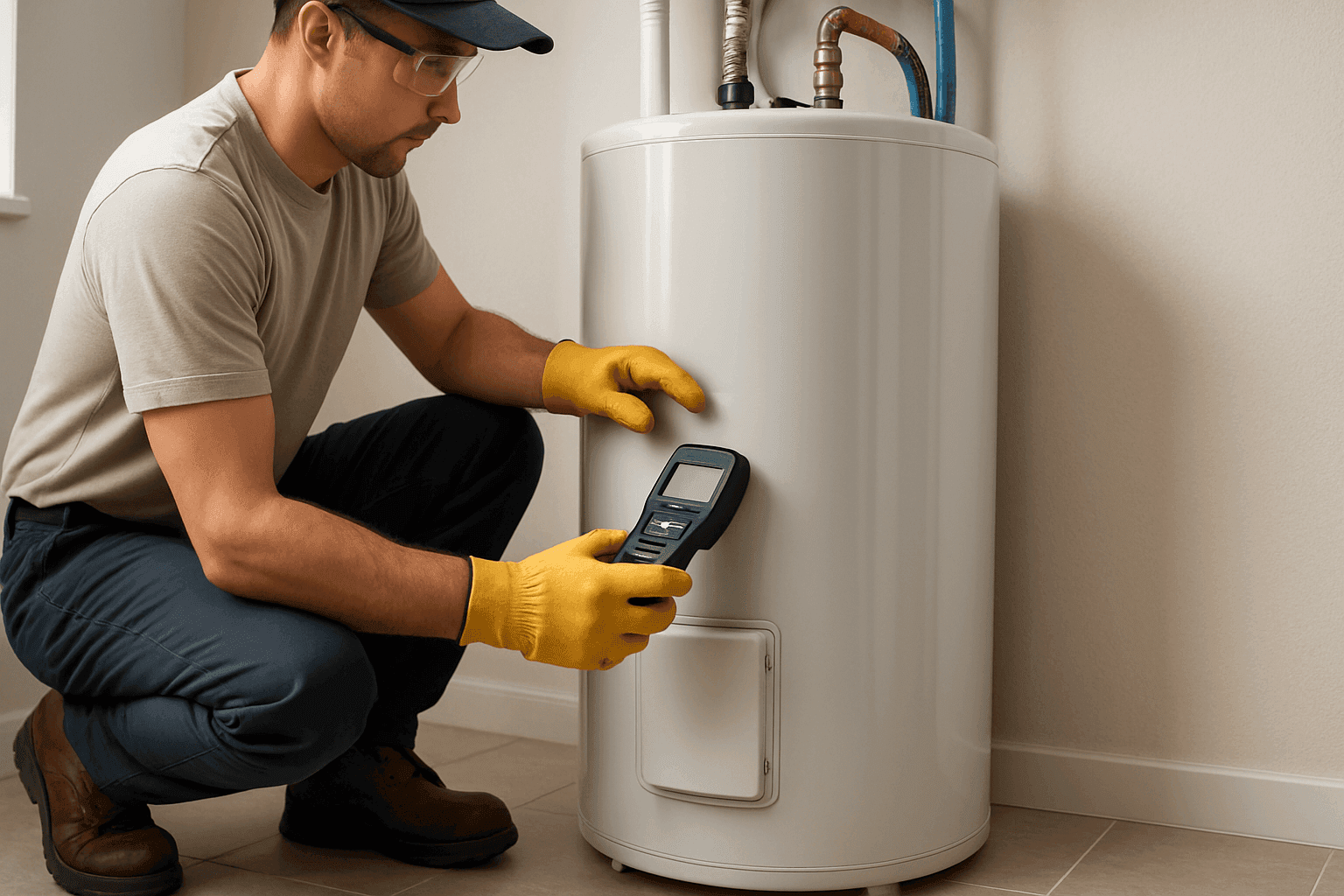
A cold shower on a winter morning can turn a regular day into a disaster. Most folks don't think about their water heater—until it stops working. Suddenly, there’s urgency. Hot water isn’t just a comfort—it’s a necessity.
At Ants Plumbing, we understand that when your water heater fails, you want honest answers fast. Is it time to repair or replace? What will it cost? How do you avoid surprises? Here’s a practical look at what goes into water heater repair and replacement costs, with the facts you need to make a confident decision.
Signs You Need Water Heater Repair 🛠️
Water heaters are workhorses. But every machine has its limits. How do you know when trouble is brewing?
- Unusual noises. Banging, rumbling, or popping usually means sediment buildup.
- Water isn’t hot enough—or not hot at all. Often points to a faulty thermostat or heating element.
- Rusty or discolored water. Internal tank corrosion could be the culprit.
- Leaks around the base. Even a small puddle signals a problem.
- Sudden change in water pressure. Mineral deposits or failing parts might be to blame.
- Age. Most tank water heaters last 8–12 years. Tankless models can go 15–20 years, but not forever.
If these warning signs crop up, don’t ignore them. Sometimes, a quick Sump Pump Repair near you can prevent bigger headaches. But other times, it’s time to weigh your options.
Repair vs Replacement
Deciding between repair and replacement can feel like standing at a fork in the road. Here’s a simple way to think about it:
- Repair makes sense if the problem is minor (like a thermostat or heating element) and the unit is under 8 years old.
- Replacement is often wiser if your tank is leaking, rusted, or nearing the end of its lifespan. If you’re calling for repair every few months, it’s usually time to upgrade.
Pro tip: If the repair bill is more than half the price of a new water heater, replacement is usually the smarter move. The U.S. Department of Energy offers helpful guidance on water heater efficiency and lifespan.
Average Cost Breakdown 💸
So, what’s this all going to cost? Let’s break it down—no sugarcoating.
Typical Repair Costs
- Heating Element or Thermostat: $150–$450 (parts + labor)
- Pressure Relief Valve: $100–$350
- Ignition or Gas Valve (for gas models): $150–$600
- Anode Rod Replacement: $100–$300
Emergency plumbing services or after-hours calls can add $100–$300 to your total.
Replacement Costs
- Standard Tank Water Heater (40–50 gallon): $1,100–$2,800 installed
- Tankless Water Heater: $1,800–$4,500 installed
These figures include labor, removal of your old unit, and basic parts. High-end brands or models with advanced features will cost more.
Factors Affecting Cost
Not all water heaters—or homes—are created equal. Here’s what can push your price up or down:
- Type: Tankless models cost more upfront, but can save money on energy bills long-term.
- Capacity: Larger tanks cost more to install.
- Fuel Source: Gas models are pricier to install than electric, but may cost less to run.
- Location: Hard-to-reach water heaters (crawl spaces, tight closets) require more labor.
- Brand & Parts: Premium brands and smart features raise the sticker price.
- Timing: Emergency plumbing during holidays, weekends, or winter storms often costs more.
- Regional differences: Labor and permit fees vary by city and state.
Ways to Save
You don’t have to break the bank for hot water. Here are practical ways to keep costs in check:
- Catch problems early. Small leaks or strange noises? Call Ants Plumbing before they become emergencies.
- Consider energy efficiency. Newer models can lower monthly bills, especially if you opt for ENERGY STAR® certified units.
- Ask about rebates. Some utility companies or local governments offer incentives for upgrading to efficient water heaters.
- Bundle services. If you need other work—like Leak Detection or Pipe Installation—ask about package pricing.
Professional vs DIY
It’s tempting to grab a wrench and search for a YouTube tutorial. Some repairs (like replacing an accessible heating element) are within reach for handy homeowners. But many water heater problems aren’t so simple.
Why hire a pro?
- Safety: Water heaters deal with high voltage, gas, and pressure. Mistakes can be dangerous.
- Permits: Many cities require permits and inspections for replacements.
- Warranties: Professional installation protects your warranty.
- Code compliance: Licensed plumbers know the latest codes (like those from the International Association of Plumbing and Mechanical Officials).
DIY can seem like a shortcut, but it can get expensive—fast—when something goes wrong. Ants Plumbing’s licensed technicians provide transparent pricing and the job done right.
Clear, Honest Cost Ranges
We know cost matters. That’s why Ants Plumbing offers straightforward pricing before any work begins. No hidden fees. No surprises. Here’s what you can expect:
- Repair visits: Most run $100–$650, depending on the fix.
- Full replacement: Most homeowners pay between $1,100–$4,500 for a standard job.
Emergency plumbing services are higher but always quoted upfront.
Frequently Asked Questions
How long does a water heater last?
- Tank heaters: 8–12 years
- Tankless: 15–20 years
Annual maintenance can extend life, but nothing lasts forever.
Can I install a water heater myself?
You can—but most cities require a licensed plumber for safety and code reasons. Mistakes can be dangerous and void your warranty.
What if my water heater is leaking?
Turn off the power/gas and water supply. Call Ants Plumbing for emergency plumbing right away. Leaks can cause costly damage fast.
Are tankless water heaters worth the higher price?
They cost more upfront but use less energy and last longer. If you plan to stay in your home, the investment often pays off.
Seasonal and Local Considerations 🌡️
In colder months, water heater problems spike. Frozen pipes and increased demand can push emergency plumbing costs higher. If your water heater is in an unheated space, consider insulation or a wrap—simple steps can prevent winter breakdowns.
Local building codes may affect installation costs. Always use a licensed plumber who pulls the right permits and follows local guidelines.
Final Thoughts
A working water heater isn’t a luxury—it’s essential. Whether you’re looking for quick repair, considering a replacement, or facing a true emergency plumbing situation, knowing the real costs helps you plan ahead. Ants Plumbing takes pride in honest, up-front pricing and skilled workmanship.
Don’t let a cold shower catch you off guard.
Call Ants Plumbing now — or reach us anytime at 877-753-5879 .