Drain Cleaning 101: How to Keep Your Drains Flowing Year-Round
Drains are like the arteries of your home. When they’re healthy, everything flows. But the second they clog, daily life can come to a halt. We get it—no one wants to deal with standing water, foul smells, or the panic of a midnight backup.
At Ants Plumbing, we’ve seen every kind of drain disaster. From slow kitchen sinks to overflowing toilets, our emergency plumbing team handles it all—day or night. But there’s good news: with some simple habits, you can avoid most drain dramas altogether.
Why Clean Drains Matter 🛠️
Ignoring your drains is like letting dust pile up in your lungs. Over time, gunk builds up—grease, hair, food scraps, soap scum—until water can barely squeeze through. The result? Blockages, bursts, and a ticking time bomb for costly repairs.
A clogged drain isn’t just a nuisance. It can:
- Cause wastewater to back up into your sinks, tubs, or even floors.
- Lead to hidden leaks that damage cabinets, floors, and walls.
- Create perfect breeding grounds for mold and bacteria.
- Stress your pipes, speeding up corrosion and future leaks.
The bottom line: keeping drains clear isn’t just about convenience. It’s about protecting your home’s health and value.
Routine DIY Drain Maintenance
Think of drain care like brushing your teeth. A little effort, done regularly, prevents big problems later on.
Here’s a simple routine:
-
Flush with Hot Water:
Once a week, pour a kettle of hot (not boiling) water down each drain. This helps dissolve grease and push debris along. -
Baking Soda & Vinegar:
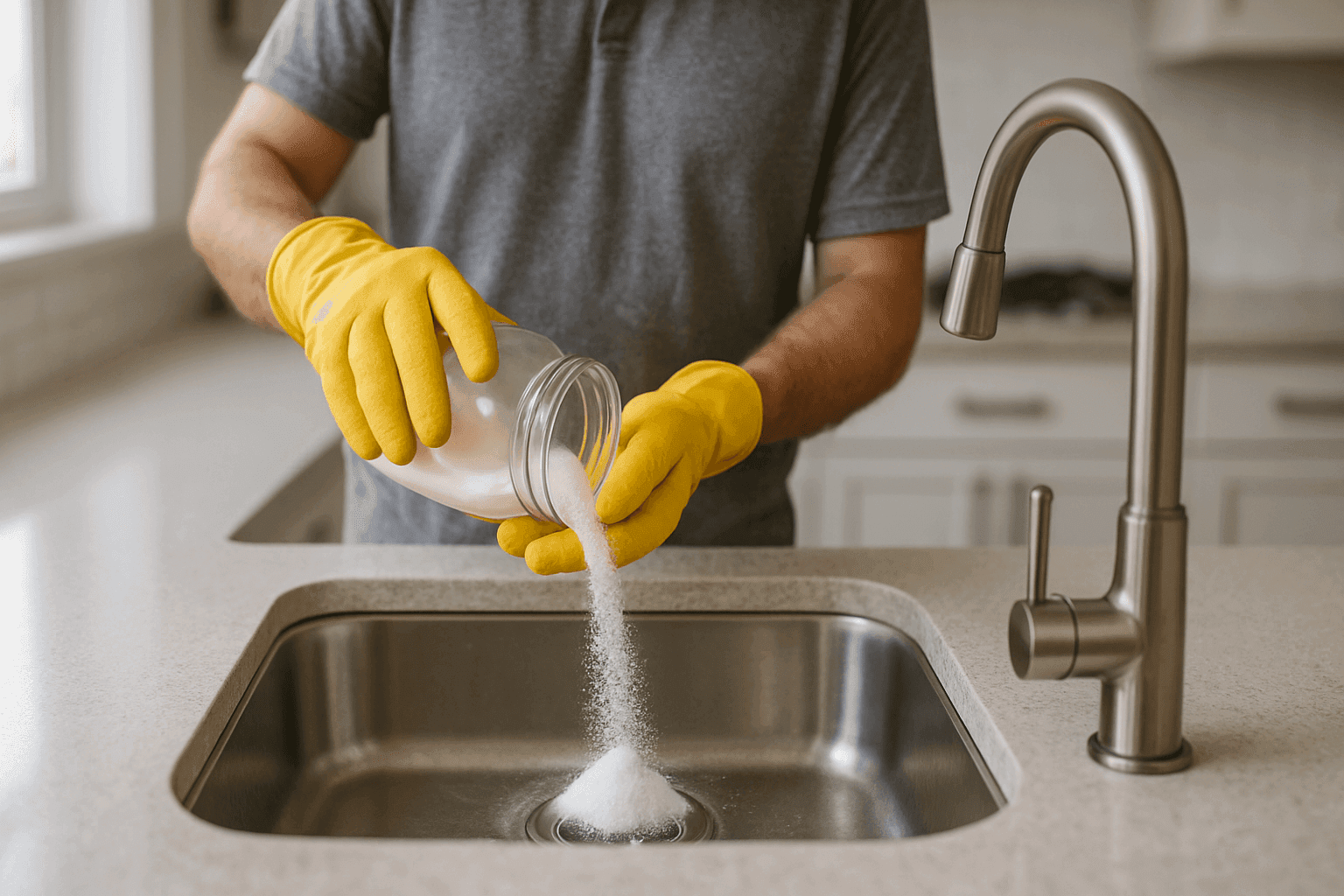
Every month, sprinkle half a cup of baking soda down the drain. Follow with one cup of white vinegar. Let the fizzy reaction sit for 10-15 minutes. Rinse with hot water. -
Use Safe Tools:
Remove visible gunk from stoppers or strainers. For hair clogs, use a plastic drain snake or even a bent wire hanger. Never force metal tools, which can scratch pipes. -
Watch What Goes Down:
- In the kitchen: Wipe grease into the trash, not the drain.
- In the bathroom: Use hair catchers in showers and tubs.
- Never flush wipes, cotton balls, or hygiene products—even if they say “flushable.”
Pro Tip:
If you notice slow draining, act fast. The longer you wait, the tougher the clog.
Seasonal Drain Issues
Certain times of year are harder on your plumbing. Here’s what to look out for:
- Holidays: Big gatherings mean more cooking, more dishes, and more strain on the kitchen sink. Remind guests what can (and can’t) go down the drain.
- Storms: Heavy rains can overwhelm outdoor drains and sewer lines. Watch for backups in basement floor drains after storms.
- Winter: Cold snaps can freeze pipes and trap clogs. Insulate vulnerable pipes and keep a trickle of water running during deep freezes.
Stay alert during these high-risk times. A quick checkup now can prevent a full-blown emergency plumbing call later.
Safe vs Unsafe Cleaning Methods
It’s tempting to grab a bottle of drain cleaner when water stops moving. But many of those products do more harm than good.
What to avoid:
- Harsh chemicals: Most store-bought drain cleaners use lye or acid. They can eat through pipes, especially older metal or PVC ones, and are dangerous to handle.
- Mixing cleaners: Never mix different chemical products. This can create toxic fumes or even explosions.
- Wire hangers (improper use): If forced, metal can scratch or puncture pipes.
Safer options:
- Baking soda and vinegar (see above)
- Enzyme-based cleaners (look for ones approved by the EPA)
- Manual tools like plastic snakes or plungers
At Ants Plumbing, we use eco-friendly, pipe-safe solutions for every drain cleaning job. Your family’s safety—and your plumbing’s lifespan—always come first.
When to Call a Pro
Some clogs just won’t budge. Here are the red flags:
- Multiple slow drains: If more than one drain is sluggish, you may have a main line issue.
- Water backing up: Water reappearing in sinks or tubs when you flush or run appliances signals a serious blockage.
- Bad smells: Persistent foul odors can mean rotting waste or even a broken sewer line.
- Gurgling noises: Air bubbles and strange sounds indicate trapped air, often from a major clog.
- Recurring clogs: If you’re clearing the same drain every month, there’s likely a deeper problem.
Don’t wait until water is flooding your floors. Professional plumbers have tools—like drain cameras and hydro jetting—that clear clogs without damaging pipes. For true emergencies, seek "emergency plumbing" help right away.
Ants Plumbing’s Approach: Eco-Friendly & Thorough
Our team doesn’t just poke at the problem and call it a day. We carry out:
- Video inspections to spot the exact cause of blockages
- High-pressure water jetting for stubborn buildup
- No-harsh-chemical policy for your family’s safety
- Satisfaction-focused service—every drain, every time
We’re your “Sump Pump Repair near you” pros, but we treat every job with the same care—big or small.
Practical Tips for Year-Round Drain Care
- Install mesh screens or strainers on all sinks and tubs.
- Run hot water after each use to keep grease and soap moving.
- Empty food scraps and coffee grounds into the trash or compost.
- Schedule annual preventative maintenance, especially before holidays or rainy seasons.
Citing the Experts
For residential codes and best practices, check resources like the International Association of Plumbing and Mechanical Officials (IAPMO) and the Environmental Protection Agency (EPA) for safe household drain care. Always follow local building codes for plumbing modifications or repairs.
Frequently Asked Questions
Q: Are chemical drain cleaners safe for all pipes?
A: No. Chemical cleaners can corrode metal and plastic pipes, create toxic fumes, and harm septic systems. Stick to safer methods or call a professional.
Q: How often should I clean my drains?
A: Once a week for hot water flushes; monthly for baking soda/vinegar treatments; and after heavy use periods, like holidays.
Q: Do I need professional help for slow drains?
A: If home methods don’t work, or if multiple drains are slow, call a pro. It could signal a bigger issue in your main sewer line.
Q: What can I do to prevent clogs in the kitchen?
A: Avoid pouring grease, oil, and food scraps down the drain. Use strainers, and run hot water after heavy use.
Local & Seasonal Considerations 🏡
If you live in an area prone to heavy storms, consider backflow prevention and regular sewer line inspection. Cold climates? Insulate pipes and avoid dumping hot grease, which can solidify fast in cold lines.
During the holidays, remind guests—no wipes, no grease, no problem. After storms, check basement drains and sump pumps for signs of backup.
Ready for Clear Drains?
Don’t let a slow drain turn into a full-scale disaster. Whether you need routine maintenance, Sump Pump Repair near you, or emergency plumbing help, Ants Plumbing is ready—24/7.
Call Ants Plumbing now — or reach us anytime at 877-753-5879 .