Emergency Plumbing Checklist: Steps to Take Before Help Arrives
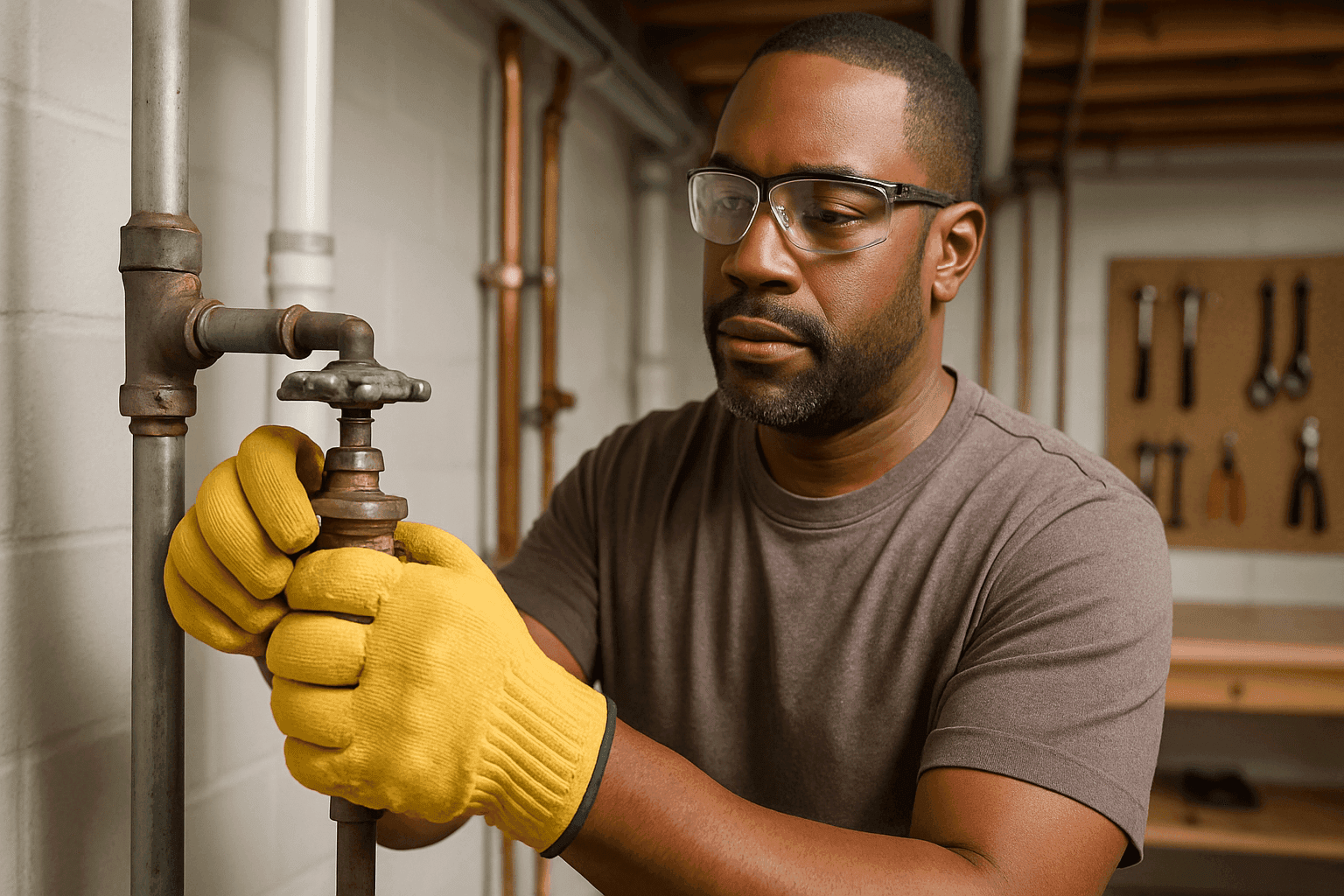
When plumbing trouble strikes, it rarely waits for a convenient moment. Maybe it’s midnight, or a holiday, or right before guests arrive. We’ve seen it all at Ants Plumbing. In these moments, what you do next can make all the difference.
This guide gives you clear, practical steps to help keep your home and family safe while you wait for the emergency plumbing crew to arrive. Let’s walk through exactly what to do—so you’re ready, no matter what leaks, bursts, or overflows your pipes throw at you.
Recognizing a Plumbing Emergency 🚨
Not every drip or slow drain is an emergency. But some situations demand immediate action:
- Flooding or rising water inside your home
- Burst pipes—water gushing or spraying with force
- Sewage backup—toilets or drains overflowing with foul water
- Gas leaks—smell of rotten eggs, hissing sounds near gas lines
- No water—sudden, total loss of water supply
If any of these hit your home, it’s time to act fast. Think of it like a fire alarm: don’t wait and hope it passes.
Immediate Actions to Take
Time is everything while you wait for professional help. Here’s your quick-hit checklist:
- Stay calm. Panicking clouds your thinking.
- Turn off the water main. This is your first line of defense against rising water.
- Shut off gas if you smell it. If you suspect a gas leak (rotten egg smell), turn off the main valve if it’s safe.
- Unplug electrical devices near water to avoid shock.
- Contain the leak. Use buckets, towels, or pans to catch water.
- Open doors and windows to help air out wet areas.
- Move valuables out of harm’s way—think photo albums, electronics, rugs.
- Call an emergency plumber right away. The sooner you’re in the queue, the faster help arrives.
Shutting Off Water and Gas
Every home has a shutoff point for water and, if you use natural gas, for gas.
How to Shut Off the Main Water Valve
- Find your main shutoff—it’s usually in the basement, crawl space, garage, or outside near the meter.
- Turn the valve clockwise (righty-tighty) until it stops.
- If you can’t find it, ask your plumber at the next service call to show you.
How to Shut Off Gas Safely
- Only attempt if you smell gas and feel safe to do so.
- The shutoff is typically near the gas meter—use a sturdy wrench to turn the valve perpendicular to the pipe.
- If you’re unsure, get everyone outside and call your gas company or 911.
According to the National Fire Protection Association (NFPA), never use electrical devices or phones near a suspected gas leak.
What Not to Do
In the chaos, it’s easy to make mistakes that make things worse. Here’s what to avoid:
- Don’t use electrical appliances or flip switches near water.
- Don’t ignore a gas smell—evacuate immediately.
- Don’t use chemical drain cleaners—these can damage pipes and make repairs harder.
- Don’t keep flushing a clogged toilet—you’ll risk an overflow.
- Don’t try to repair gas lines yourself. Leave this to licensed professionals.
Think of this as “do no harm” until help arrives.
When to Call a Professional
It’s tempting to grab a wrench and “DIY” your way out of disaster. Sometimes, you can—but only for very minor issues.
Call an emergency plumber immediately when:
- Water is uncontrollably leaking or flooding an area
- A pipe has burst or split open
- You suspect a gas leak
- No water is coming through your taps
- Sewage is backing up into sinks or tubs
- There’s a risk of electrical shock
For less urgent problems, like a slow drip or minor clog, schedule a regular service. But if water or sewage is on the move, or you smell gas, don’t wait.
Preventing Further Damage
Every minute counts. Here’s how you can limit damage while you wait:
- Mop up standing water to prevent it from soaking into floors or walls.
- Use towels or rags to create temporary barriers around the leak.
- Place aluminum foil or wood blocks under furniture legs to prevent water stains.
- Snap photos of damage for insurance.
- Keep pets and family members away from affected areas.
Remember, water and time are a dangerous duo. The faster you act, the less you’ll have to repair.
DIY Fixes vs. Waiting for Pros
Some things you can handle with basic tools and a cool head:
- Small leaks: Wrap with plumber’s tape or a towel and secure with a clamp.
- Unclogging a slow drain: Try a plunger (not chemicals).
- Tightening a loose fitting: Use a wrench, but don’t overdo it.
But for anything involving the main water supply, gas lines, sewage, or electrical risk—wait for the professionals. Ants Plumbing teams are trained and equipped for these hazards.
Common Mistakes Homeowners Make
Even the handiest folks sometimes slip up during emergencies. Watch out for these:
- Turning valves too hard and breaking them
- Forgetting to check for secondary leaks
- Missing hidden shutoff valves (sometimes there’s more than one)
- Trying to fix gas issues on their own
- Underestimating the amount of water damage
If you’re unsure, wait for the pros. Your safety is worth more than any quick fix.
When to Call Ants Plumbing
Wondering what makes a situation worthy of a midnight call? Here’s a rule of thumb:
- If there’s active flooding, sewage, or gas smell—call now.
- If the issue will cause significant damage before morning—call now.
- If it can wait without risk to health or property—schedule a regular appointment.
Response times can vary by region, weather, and traffic. But these steps apply whether you’re in a big city or a quiet suburb.
How Ants Plumbing Handles Emergencies
When our crew arrives, here’s what you can expect:
- Assessment: We check the situation, shut off any remaining flow, and map out the damage.
- Containment: We use professional-grade pumps, barriers, and tools to stop further water or gas spread.
- Repair: Depending on the issue, we’ll patch, replace, or reroute pipes—often on the spot.
- Safety checks: We test for gas leaks, water pressure issues, and code compliance.
- Advice: Before we leave, we walk you through what happened, what we fixed, and any next steps you’ll need.
We follow local plumbing codes and safety guidelines from bodies like the International Association of Plumbing and Mechanical Officials (IAPMO) and state health departments.
Preventing the Next Emergency
No one wants a repeat of a midnight flood or a freezing shower on a winter morning. Here’s how to stack the odds in your favor:
- Schedule regular inspections for water heaters, sump pumps, and visible pipes.
- Install water leak detectors under sinks and near appliances.
- Test your shutoff valves twice a year to be sure they’re not stuck.
- Have backflow prevention devices checked by licensed plumbers.
- Don’t ignore slow drains or small leaks—they’re often the first warning sign.
A little prevention today keeps the big headaches away.
Costs & Time Factors
Emergency plumbing isn’t like ordering pizza. Response times and costs can vary widely:
- Time to arrival: Typically 1–3 hours, depending on traffic, weather, and demand.
- Repair duration: Simple fixes (like toilet repair) may take 30–60 minutes. Major work (burst pipe, sewer line repair) could require several hours or even follow-up visits.
- Cost factors: Severity, time of day, parts needed, and nature of the emergency all play a role.
Always ask for an estimate once the plumber assesses the situation. Insurance may cover some damage—check your policy.
Frequently Asked Questions
Q: How do I know if my plumbing issue is an emergency?
A: If water is spreading uncontrollably, sewage is backing up, or you smell gas—it’s an emergency.
Q: Can I use my water after a major leak?
A: Not until a professional has checked the system—using it too soon could cause more leaks or water contamination.
Q: Is it safe to stay in my house during a plumbing emergency?
A: If there’s a risk of electrical shock, gas leak, or flooding, leave the affected area and call for help.
Q: What should I do if my water heater is leaking?
A: Turn off the power or gas supply to the heater, then shut off the water valve above the tank.
Local and Seasonal Considerations
Winter brings frozen pipes, while spring can mean sump pump failures. Heavy rains may spike the need for sewer line inspection or drain cleaning. In older homes, corrosion can cause sudden pipe bursts any time of year.
No matter where you live, keep your shutoff map handy and know your plumber’s number. Ants Plumbing serves a wide area, and while response times may vary, these steps work nationwide.
Don’t let a plumbing disaster catch you off guard. Keep this checklist handy, and take action fast if trouble hits.
Call Ants Plumbing now — or reach us anytime at 877-753-5879 .