Homeowner’s Guide to Preventing Frozen Pipes in Winter
Winter can turn the simple act of turning on a faucet into a homeowner’s worst nightmare. Frozen pipes cause more than inconvenience—they can leave you with water damage, costly repairs, and a mess that lingers long after the snow melts.
At Ants Plumbing, we’ve seen the panic frozen pipes create. With years tackling emergency plumbing calls—often on the coldest nights—we know what works and what doesn’t. Here’s how to protect your home before winter bites.
Why Pipes Freeze
It happens quickly. Temperatures drop, and water inside your pipes becomes a stubborn block of ice. But the real danger isn’t just an icy pipe—it’s what happens next.
When water freezes, it expands. Imagine a soda can left in the freezer too long. The can bulges, then bursts. Your pipes behave the same way. That pressure builds until metal or plastic gives in, sending water everywhere as soon as the ice thaws.
Why is this so damaging?
- Burst pipes can soak insulation, drywall, and flooring.
- Repairs often require opening walls or ceilings.
- Mold and mildew love the damp left behind.
- Even a small split can leak thousands of gallons.
According to the Insurance Institute for Business & Home Safety (IBHS), a burst pipe can cause more than $5,000 in water damage—sometimes much more. Emergency plumbing crews see it every winter.
At-Risk Areas in Your Home 🧊
Not all pipes are equally vulnerable. Some spots in your home are like frost magnets. Here’s where trouble hides:
- Attics and crawl spaces: These areas often lack insulation and get cold fast.
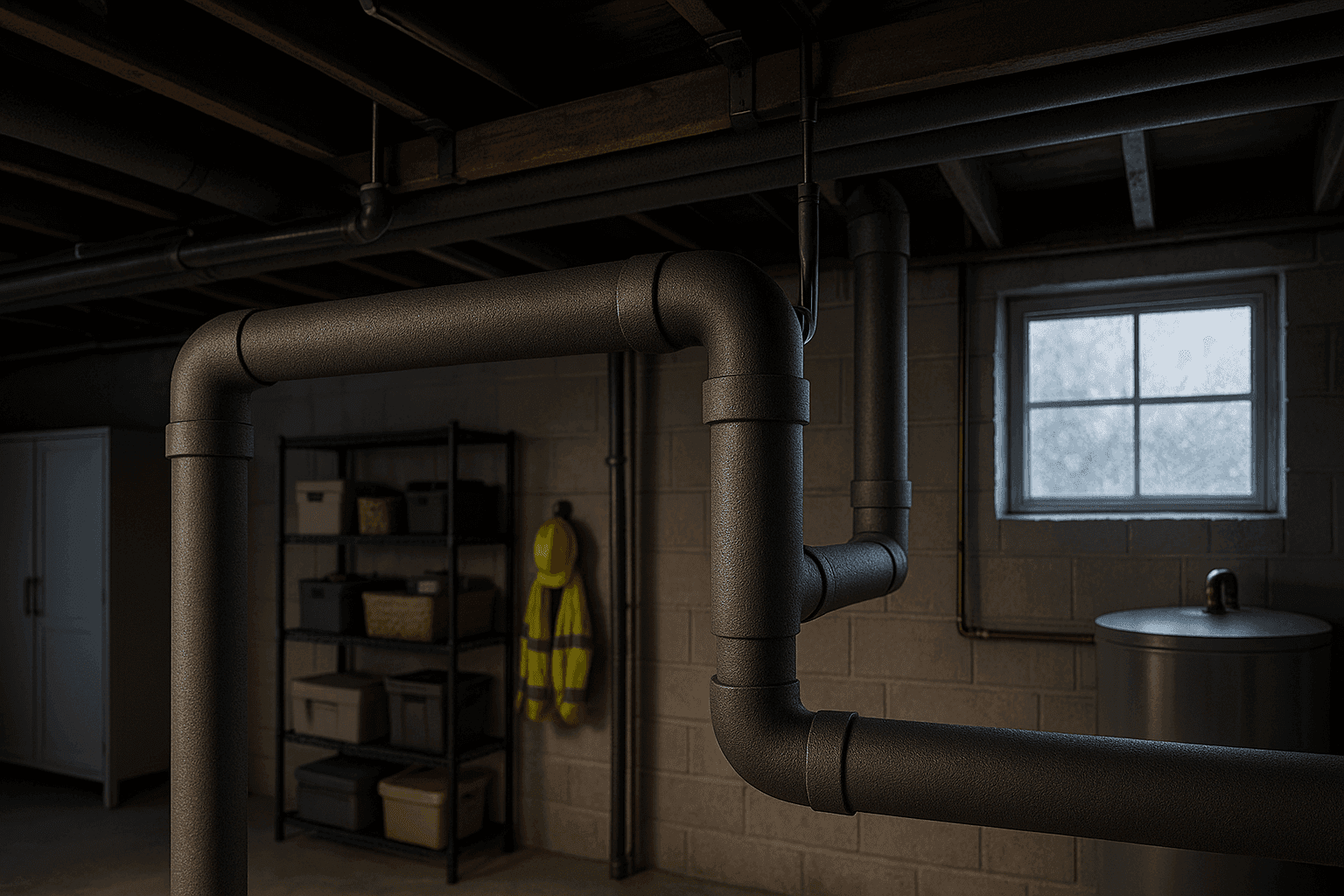
- Unheated basements or garages: Pipes here are exposed to winter’s chill, especially near exterior walls.
- Exterior walls: Pipes running close to, or within, outside walls freeze quickly when temperatures fall.
- Under sinks: Especially those on outside walls—cabinet doors keep warm air out, letting cold sneak in.
- Vacant homes: No water running and low heat make these especially risky.
Spot check these areas before winter. If you’re unsure, a professional can help pinpoint hidden dangers.
DIY Pipe Insulation Tips
You don’t need to be a plumber to give your pipes a fighting chance. A few simple steps can make all the difference on the coldest nights.
- Foam pipe sleeves: Cut to size and slide over exposed pipes. Focus on attics, basements, crawl spaces, and garage runs.
- Pipe wrap insulation: Like a warm scarf for your plumbing. Spiral it around awkward bends and fittings.
- Heat tape or heating cables: UL-listed, self-regulating cables can keep pipes just above freezing. Plug into a GFCI outlet and follow manufacturer directions.
- Seal gaps: Cold air sneaks in where pipes enter walls. Use caulk or expanding foam to block drafts.
- Open cabinet doors: Under sinks, especially on exterior walls, let warm air circulate.
- Let faucets drip: Even a slow trickle can keep water moving, reducing freeze risk.
Tip: The U.S. Department of Energy recommends at least R-3 insulation for pipes in most climates. Local codes may require more—check your area’s guidelines.
What to Do if Pipes Freeze
Even with preparation, winter sometimes wins. If you turn on a tap and only a trickle comes out, act fast.
- Turn off the water main. This prevents flooding if the pipe bursts.
- Open faucets. This relieves pressure and allows melting water to drain.
- Warm the pipe: Use a hair dryer, heat lamp, or warm towels. Start nearest the faucet, working back toward the frozen section. Never use an open flame.
- Check for leaks as you thaw. If you see water escaping, stop and call for emergency plumbing help right away.
- Call a professional: If you can’t find the frozen spot, or if a pipe is cracked, Ants Plumbing is ready.
Remember: Don’t force thawing with torches or space heaters. Fires and further damage are real risks.
Professional Solutions
Sometimes DIY isn’t enough. Here’s how professionals handle frozen pipes—safely and thoroughly.
- Thermal imaging: Tools help pinpoint the exact frozen section, even behind walls.
- Safe thawing: Plumbers use commercial-grade heating pads or specialized equipment to warm pipes without risk.
- Pipe repair: If there’s damage, repairs happen on the spot—whether soldering copper, replacing sections, or patching leaks.
- System check: Once thawed, a plumbing pro inspects for hidden leaks, water pressure issues, and future risks.
Ants Plumbing has handled everything from multi-room repiping to quick Sump Pump Repair near you. Our team knows winter emergencies come without warning. Regular training and up-to-date tools mean we’re ready for whatever the cold throws at your home.
Annual Winter Check: Why It Matters 🕵️
Prevention beats repairs every time. Before the first frost:
- Have your plumbing system inspected.
- Check for leaks, cracks, and signs of wear.
- Test sump pumps, water heaters, and shut-off valves.
- Ask about backflow prevention and water filtration system maintenance.
An annual checkup, especially in regions with unpredictable cold snaps, pays for itself in peace of mind. The International Association of Certified Home Inspectors (InterNACHI) recommends yearly plumbing inspections for homes in freeze-prone areas.
Quick Safety Checklist
- Insulate exposed pipes in cold areas.
- Seal gaps near pipes entering the home.
- Keep garage doors closed when pipes run through.
- Let faucets drip during deep freezes.
- Know your water main shut-off location.
- Schedule regular plumbing inspections.
What If a Pipe Bursts? Emergency Steps
Time matters. Here’s what to do:
- Shut off your home’s main water supply immediately.
- Turn off electricity if water is near outlets or switches.
- Move valuables and electronics away from leaks.
- Call Ants Plumbing for emergency plumbing help.
- Document damage for insurance.
Quick action limits destruction. The American Red Cross offers detailed guidance for handling frozen and burst pipes—review their tips before you need them.
Frequently Asked Questions
How cold does it need to get for pipes to freeze? Most pipes can freeze when temperatures fall below 20°F (-6°C), especially if exposed.
Can PVC pipes freeze and burst, too? Yes. Both metal and plastic pipes are vulnerable if not insulated.
Will insurance cover burst pipe damage? Most homeowners’ policies cover sudden water damage from pipe bursts, but not gradual leaks or neglect. Check with your insurer.
Should I keep my home heated even if I’m away? Absolutely. Set thermostats no lower than 55°F (13°C) and ask a neighbor or friend to check in during extreme cold.
Local and Seasonal Considerations ❄️
Winter in some regions means weeks of deep freeze, while others face surprise cold snaps. Even if you live in a typically mild climate, a sudden drop can catch your plumbing off guard. Keep an eye on weather alerts and prepare before the first chill.
Homes with older plumbing, additions, or renovations may have hidden pipe runs in uninsulated areas. If you’ve recently moved or remodeled, a quick inspection is wise.
When It’s an Emergency
Burst pipes, gushing water, and soaked floors—these aren’t problems to wait on. If you can’t stop the leak or suspect a hidden break, call for emergency plumbing help right away. Waiting can turn a fixable issue into a full-scale disaster.
At Ants Plumbing, we handle emergencies day and night. Our team is ready for whatever winter brings, from quick leak repair to full repiping jobs.
Stay ahead of winter’s worst. If you need help with pipe insulation, leak detection, or a midnight burst, we’re here for you.
Call Ants Plumbing now — or reach us anytime at 877-753-5879 .