How to Maintain Your Home Plumbing System Year-Round
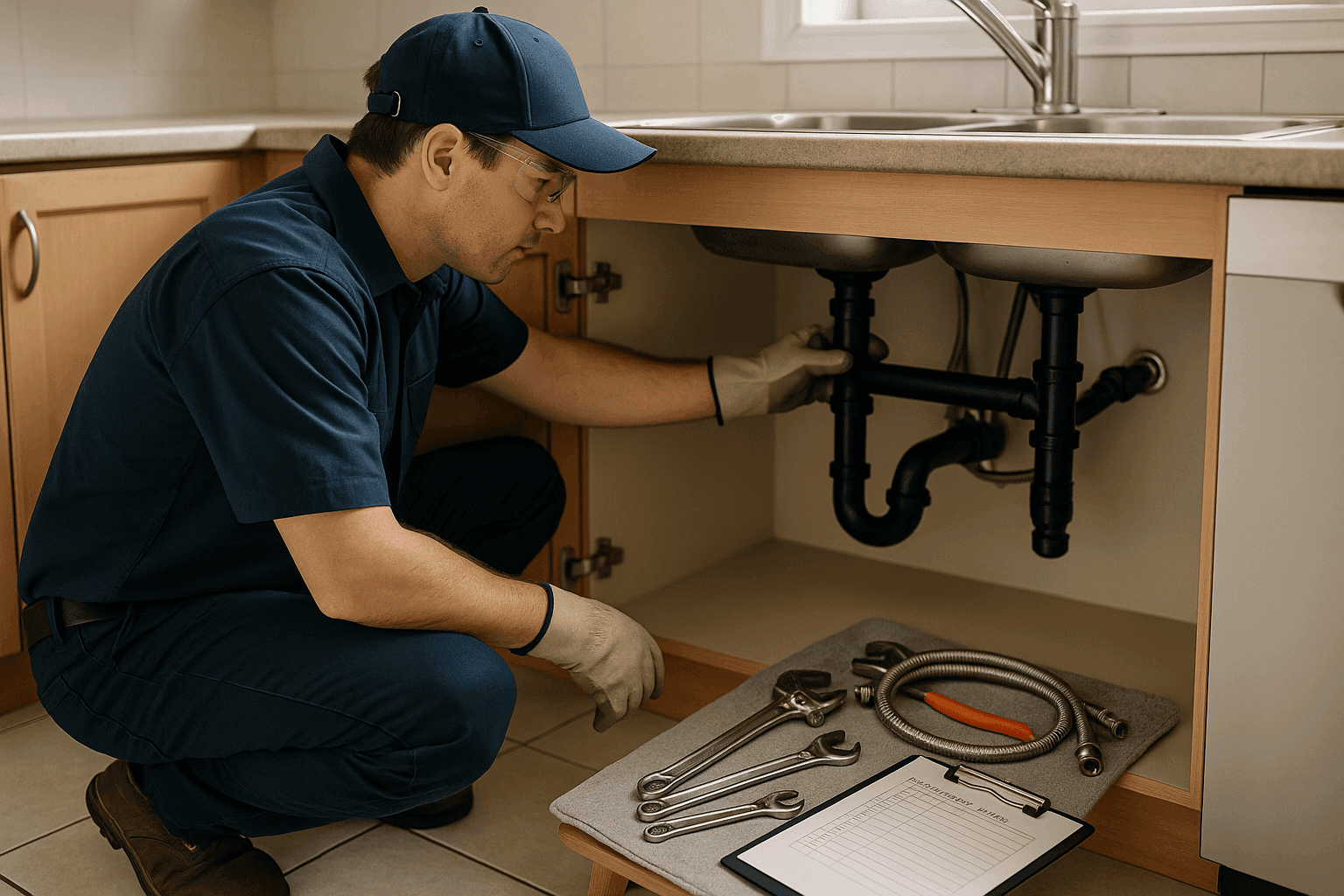
Keeping your plumbing system healthy isn’t just about fixing leaks when they happen. It’s about setting up your home or business to avoid those surprises in the first place. Plumbing issues can sneak up on anyone, turning a quiet day into a scramble for towels and buckets. But with a little planning and the right know-how, you can keep things flowing smoothly all year.
At Ants Plumbing, we believe in empowering you with practical advice, so you can make the best decisions for your property—whether you’re a homeowner or running a small business. Let’s dive in.
Why Year-Round Plumbing Maintenance Matters
Think of your plumbing like the veins of your home. Out of sight, but essential. If something clogs or bursts, everything grinds to a halt. Without regular care, small drips can become big headaches—sometimes overnight.
Ignoring maintenance can mean:
- Higher water bills from undetected leaks
- Water damage to walls, floors, or foundations
- Sudden loss of hot water or water pressure
- Emergency plumbing calls at the worst times
A little prevention is worth more than a mountain of repairs.
Quick Safety Checklist 🛠️
Before you roll up your sleeves, take a moment to check these safety basics:
- Shut Off the Water: Know where your main shutoff valve is. Test it once a year.
- Electricity Off: For any work near outlets, switches, or water heaters, turn off the power.
- Wear Protection: Gloves and goggles aren’t just for pros.
- Ventilate: Open windows when using cleaning products or working with gas lines.
- Check for Gas Smells: If you ever smell gas, leave the area and call emergency services immediately.
For more on safe plumbing practices, check out recommendations from the International Association of Plumbing and Mechanical Officials (IAPMO).
Seasonal Plumbing Checklist
Every season brings its own plumbing challenges. Here’s what to watch for:
Spring
- Inspect for leaks in pipes and faucets after winter
- Check outdoor spigots and hoses for cracks
- Clean gutters and downspouts to prevent water backup
- Test sump pumps before heavy rains
Summer
- Clear slow drains and check for clogs (especially in kitchens)
- Inspect washing machine hoses for bulges or leaks
- Flush your water heater to remove sediment
- Look for signs of mildew or moisture under sinks
Fall
- Insulate exposed pipes before cold sets in
- Remove and store outdoor hoses
- Test your water heater for reliable hot water
- Schedule a backflow test if you have a sprinkler system
Winter
- Keep cabinet doors open under sinks to let warm air circulate
- Drip faucets during deep freezes to prevent pipe bursts
- Know how to shut off water in case of emergency
- Watch for frost or condensation on pipes
DIY vs. When to Call a Pro
Some plumbing jobs are as easy as pie. Others? Not so much.
DIY-Friendly Tasks:
- Unclogging minor drains with a plunger or hand auger
- Tightening loose faucet handles
- Replacing showerheads or aerators
- Cleaning out P-traps under sinks
Call a Pro For:
- Persistent leaks or water stains on ceilings
- Low water pressure throughout the house
- Sewer smells or frequent drain backups
- Installing or repairing gas lines
- Water heater issues (strange noises, no hot water)
- Emergency plumbing situations (burst pipes, flooding)
Trying to fix complex issues yourself can lead to more damage—and higher repair bills.
What Pros Do On Arrival
When you call Ants Plumbing, here’s what to expect:
- Assessment: We listen to your concerns and inspect the problem area.
- Diagnosis: Using leak detection tools, cameras, and pressure gauges, we pinpoint the issue.
- Action Plan: We explain what’s wrong, what needs fixing, and answer your questions.
- Repairs: We handle the repair or replacement—whether it’s a pipe, fixture, or appliance.
- Testing: We test everything before we leave, making sure water flows as it should.
Our team follows guidelines from the Uniform Plumbing Code to ensure work is safe and up to standard.
Prevention & Maintenance Tips
An ounce of prevention beats a pound of cleanup. Here are ways to keep your plumbing humming:
- Check for Leaks Monthly: Look under sinks, around toilets, and behind appliances.
- Don’t Ignore Slow Drains: They’re often the first sign of a clog.
- Use Drain Screens: Catch hair and debris before they cause problems.
- Be Careful What Goes Down the Drain: Avoid pouring grease, coffee grounds, or wipes.
- Test Water Pressure: High pressure can strain pipes; a pressure gauge is cheap insurance.
- Schedule Annual Inspections: A pro can spot hidden issues before they become emergencies.
- Flush Water Heaters: Sediment buildup reduces efficiency and shortens lifespan.
- Insulate Pipes: Especially in attics, crawl spaces, and exterior walls.
For more on water-saving and plumbing safety, see advice from the Environmental Protection Agency (EPA).
Costs & Time Factors
Plumbing maintenance doesn’t have to break the bank. Most routine checks and minor fixes take less than an hour. Bigger jobs—like water heater installation or repiping—can take several hours to a full day.
- Minor repairs: Quick, usually under an hour
- Drain cleaning: 1–2 hours, depending on severity
- Major repairs (pipes, water heaters): Several hours to a day
Preventative maintenance is almost always less expensive than emergency plumbing repairs. Catching a leak early can save you thousands in water damage.
When It’s an Emergency
Some plumbing problems can’t wait. Here’s when to pick up the phone right away:
- Burst pipes or major leaks: Shut off water and call immediately.
- Sewage backups: These pose health risks and require urgent attention.
- No water or hot water: Could signal a serious issue with your supply or heater.
- Gas smells near plumbing: Leave the area and call emergency services, then a licensed plumber.
If you’re unsure, it’s better to err on the side of caution. Emergency plumbing services are available 24/7 for a reason.
Frequently Asked Questions
How often should I check for leaks?
A quick monthly check under sinks, around toilets, and behind appliances is a good habit. If you notice higher water bills or damp spots, act sooner.
Can I use chemical drain cleaners?
It’s best to avoid them. Many over-the-counter cleaners can corrode pipes, especially older ones. Try a plunger or a drain snake first.
What’s the best way to prevent frozen pipes?
Insulate exposed pipes, especially in unheated areas. During deep freezes, let faucets drip and open cabinet doors under sinks to keep warm air moving.
Is it safe to do my own gas line work?
No. Gas line installation and repairs should always be handled by a licensed professional for safety reasons.
Special Considerations for Home and Small Business Plumbing
Business owners face unique challenges—more sinks, more toilets, more people using them. Preventative maintenance is even more important to avoid downtime and lost revenue.
- Schedule regular backflow testing to protect your water supply.
- Keep a log of maintenance and repairs for insurance and compliance.
- Consider installing water filtration systems for better taste and appliance longevity.
- Don’t forget about grease traps in commercial kitchens; regular cleaning prevents costly blockages.
Whether you’re caring for a cozy home or a busy storefront, a proactive approach keeps plumbing problems at bay.
Call Ants Plumbing now — or reach us anytime at 877-753-5879 .