How to Safely Install and Maintain Gas Lines in Your Home
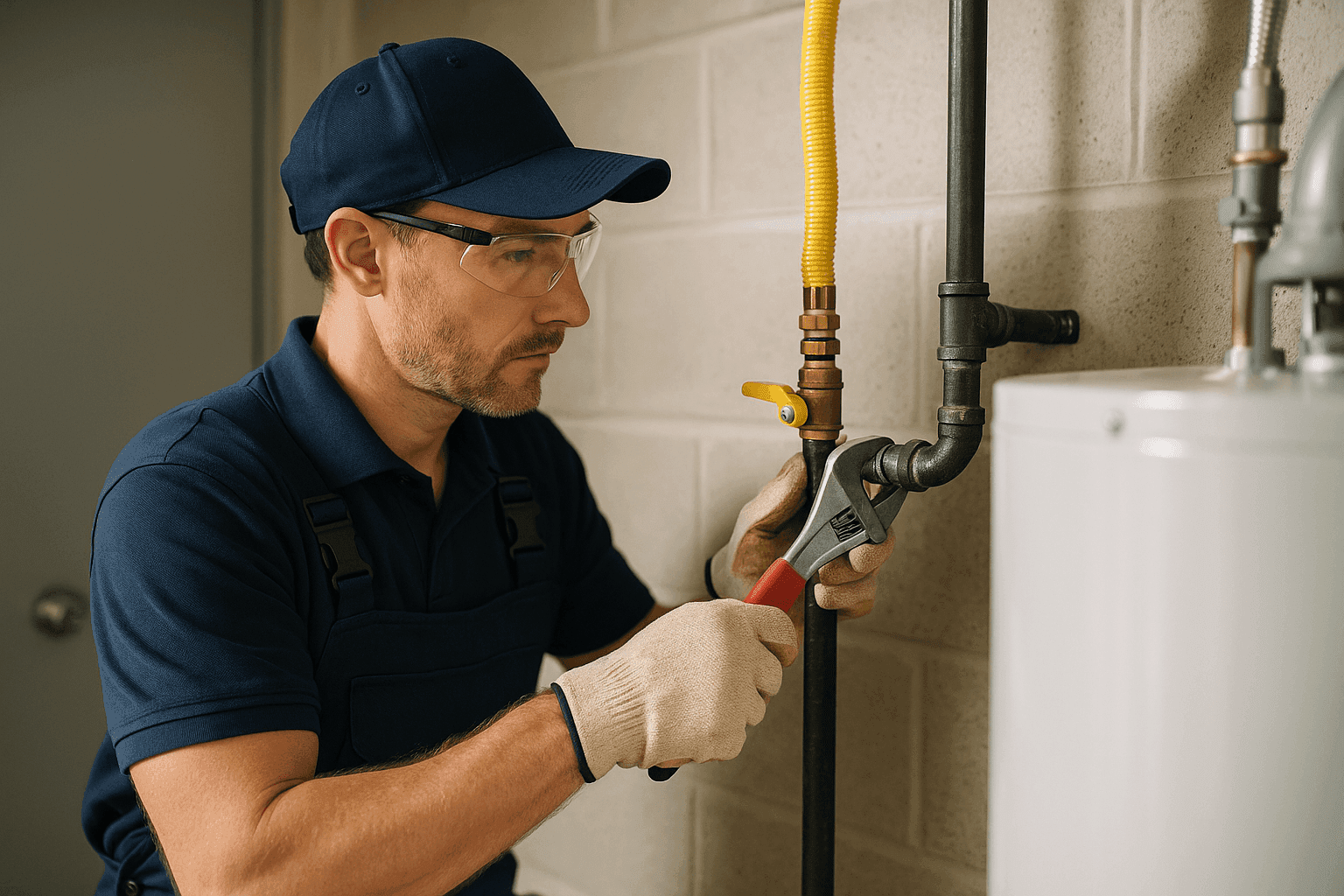
Gas lines are the silent lifelines of many homes and small businesses. They fuel warmth, hot water, and even your favorite stovetop meals. But when something goes wrong, the risks can be as invisible as the gas itself—fast, silent, and dangerous.
At Ants Plumbing, we know that a safe gas line is non-negotiable. Whether you’re planning a renovation, opening a new business, or just want peace of mind, understanding gas line safety is essential. Let’s walk through what it takes to install and maintain gas lines the right way.
Why Proper Gas Line Installation Matters 🛡️
Gas isn’t something to take lightly. A poorly installed line is like a frayed rope holding a heavy weight—one weak spot, and everything can come crashing down. Mistakes can lead to leaks, fires, or even explosions.
Proper installation ensures:
- Safe delivery of gas to appliances
- Efficient energy use
- Lower risk of leaks or system failure
Regulations exist for a reason. The International Fuel Gas Code (IFGC) and National Fire Protection Association (NFPA) set strict standards for gas line work. Licensed professionals follow these codes, using the right materials and methods for every job. Cutting corners is never an option.
Quick Gas Line Safety Checklist
Before you consider any gas line work, run through this checklist:
- Is your installer licensed and insured?
- Are all permits secured before work begins?
- Has a leak test been performed after installation?
- Are shut-off valves accessible and labeled?
- Are all connections inspected for corrosion or wear?
These steps aren’t just boxes to check—they’re the foundation of safety.
DIY vs. Call a Pro
Gas lines are not a weekend project. Think of them like the electrical wiring behind your walls—out of sight, but critical. While some home repairs are DIY-friendly, gas line work isn’t one of them.
DIY Risks:
- Hidden leaks that can build up over time
- Voided insurance or appliance warranties
- Fines for unpermitted work
- Serious injury or worse
When to Call a Plumber:
- Any installation, extension, or repair of gas lines
- If you smell gas or suspect a leak
- When adding new appliances (stoves, heaters, dryers)
A licensed plumber brings knowledge of codes, proper tools, and years of experience. They spot issues you might miss and keep your home or business safe.
Steps in Professional Gas Line Installation
Wondering what actually happens during a professional install? Here’s the step-by-step:
1. Site Assessment and Planning
The plumber examines your home or business, identifying where gas is needed and how lines will be routed. They consider appliance needs, building codes, and safety clearances.
2. Permitting and Approvals
Permits are secured with the local authority. This isn’t just paperwork—it ensures your installation meets legal and safety standards.
3. Material Selection
Professionals choose the right pipe material: black iron, copper (where allowed), or corrugated stainless steel tubing (CSST). Each has pros and cons, and the choice depends on your building and appliances.
4. Installation
The plumber measures and cuts pipe to fit, secures joints with approved fittings, and routes lines to minimize bends and stress points.
5. Pressure Testing
Before anything is connected, the system is pressurized—usually with air or inert gas—to check for leaks. This step is required by the IFGC and NFPA.
6. Appliance Connection
Once the line passes inspection, appliances are connected with approved flexible connectors. Shut-off valves are installed for each unit.
7. Final Inspection
A certified inspector reviews the work, checking for code compliance and safety. Only after passing this inspection can the system be put into service.
Routine Gas Line Maintenance Tips
Gas lines are easy to forget—until there’s a problem. But routine checks can catch small issues before they grow.
Maintenance Tips:
- Inspect exposed lines for rust, corrosion, or physical damage.
- Listen for hissing sounds near pipes or appliances.
- Check for the smell of rotten eggs (the odorant added to natural gas).
- Make sure appliances have proper ventilation.
- Ensure shut-off valves move freely and are not blocked.
Schedule annual inspections with a licensed plumber. Just like you’d get a yearly checkup for your car, your gas system needs regular attention.
Recognizing and Responding to Gas Leaks
Gas leaks are serious. Knowing the signs and how to respond can make all the difference.
Common Signs of a Gas Leak:
- Smell of sulfur or rotten eggs
- Hissing or whistling sounds near pipes
- Dead or dying plants near gas lines
- Bubbles in wet ground above buried lines
- Unexplained dizziness, headaches, or nausea indoors
If You Suspect a Leak:
- Leave the area immediately—don’t use electrical switches or phones inside.
- Avoid open flames or sparks.
- Call emergency services and your gas provider from a safe distance.
- Contact a licensed emergency plumbing service like Ants Plumbing.
Never try to locate or fix a leak yourself. Gas can travel and accumulate in unseen places, turning a small leak into a big hazard.
Seasonal Gas Safety Checks
Each season brings its own challenges. In colder months, pipes can contract, and connections may loosen. Summer heat can cause expansion and stress. Schedule a seasonal check-up to catch issues early.
What to Check:
- Outdoor lines for weather damage
- Appliance connections after long periods of disuse
- Proper ventilation around heaters and boilers
A little prevention goes a long way.
When to Call Emergency Plumbing Services
Some situations can’t wait. Call for emergency plumbing help if:
- You smell gas and can’t identify the source
- An appliance won’t shut off or leaks gas
- You see visible damage to a gas pipe after construction or landscaping
- You experience sudden loss of gas supply
Fast action can save lives and property.
Costs & Time Factors
Gas line work varies in cost and duration. Factors include:
- Length and complexity of the run
- Type of pipe material used
- Number of appliances connected
- Permitting and inspection requirements
Simple repairs might take a few hours, while new installations can stretch over several days. Always get a clear estimate and timeline from your plumber before work begins.
FAQ: Gas Line Installation & Maintenance
How often should gas lines be inspected?
At least once a year by a licensed professional, or immediately if you suspect a problem.
Can I install a gas appliance myself?
Appliance installation may be possible for some, but connecting to the gas line should always be done by a licensed plumber.
What regulations apply to gas line work?
The International Fuel Gas Code (IFGC) and National Fire Protection Association (NFPA) guidelines set the standards for safe installation and maintenance.
What’s the first thing to do if I smell gas?
Leave the area immediately and call emergency services. Do not use any electrical devices or open flames inside.
Special Considerations for Gas Line Service
- Older homes: May have outdated or corroded pipes. Inspection is critical before any new installation.
- Remodels and additions: Changes to your layout often require rerouting or upgrading lines.
- Commercial kitchens: Higher demand means more complex systems—regular inspections are a must.
- Backflow prevention: Protects your water supply from contamination if a gas appliance malfunctions.
Remember, safe gas lines are the backbone of a comfortable, efficient home or business. Don’t leave it to chance.
Call Ants Plumbing now — or reach us anytime at 877-753-5879 .