The Homeowner’s Guide to Leak Detection: Signs, Causes, and Next Steps
Water leaks have a way of sneaking up on homeowners. One day everything looks fine. The next, you spot a strange stain or your water bill jumps sky-high. At Ants Plumbing, we know how overwhelming this can feel — and how quickly small leaks can turn into big, costly emergencies.
No one wants to deal with soggy drywall, warped floors, or moldy smells. That’s why it pays to know the warning signs and what you can do. In this guide, we’ll walk you through the telltale clues, simple at-home checks, causes, and when to call for professional help. Let’s keep your home dry and your mind at ease.
Common Signs of Hidden Leaks 🕵️
Some leaks shout for attention: the drip-drip-drip of a faucet, or a puddle by the water heater. Others whisper, quietly damaging your home behind the scenes. Here’s what to watch for:
- Unexplained spikes in your water bill: If your habits haven’t changed, but your bill climbs, a leak could be to blame.
- Stains or discoloration on ceilings and walls: Yellow, brown, or coppery marks often mean water is sneaking where it shouldn’t.
- Mold or mildew smells: Even if you can’t see mold, a musty odor signals moisture hiding inside walls or floors.
- Peeling paint or bubbling wallpaper: Water damage can warp finishes, even on seemingly dry surfaces.
- Warped, buckling, or soft flooring: Especially in kitchens, bathrooms, or basements.
- Running water sounds when all taps are off: Sometimes, you’ll hear the trouble before you see it.
- Visible mold or mildew: Any sudden appearance deserves a closer look.
Spotting any of these? Don’t ignore them. Water finds the path of least resistance — and it doesn’t stop on its own.
DIY Leak Detection: What You Can Check
Before calling in the cavalry, there are a few checks you can safely do yourself:
- Inspect under sinks and around appliances: Look for drips, dampness, or corrosion near the base of toilets, dishwashers, washing machines, and refrigerators with ice makers.
- Check your water meter: Turn off all water in the house. If the meter still moves, water is escaping somewhere.
- Test your toilet: Add a few drops of food coloring to the tank. If color seeps into the bowl, you’ve got a silent leak.
- Look around basements and crawl spaces: Dark, damp corners are leak magnets.
- Feel for dampness: Run your hand along walls or floors for cold spots or unexpected moisture.
These steps can help you spot obvious issues. But if you’re finding puddles, stains, or the problem isn’t clear, it’s time to bring in the pros.
When to Call a Pro
Some leaks hide like expert escape artists. If you notice any of these, professional help is essential:
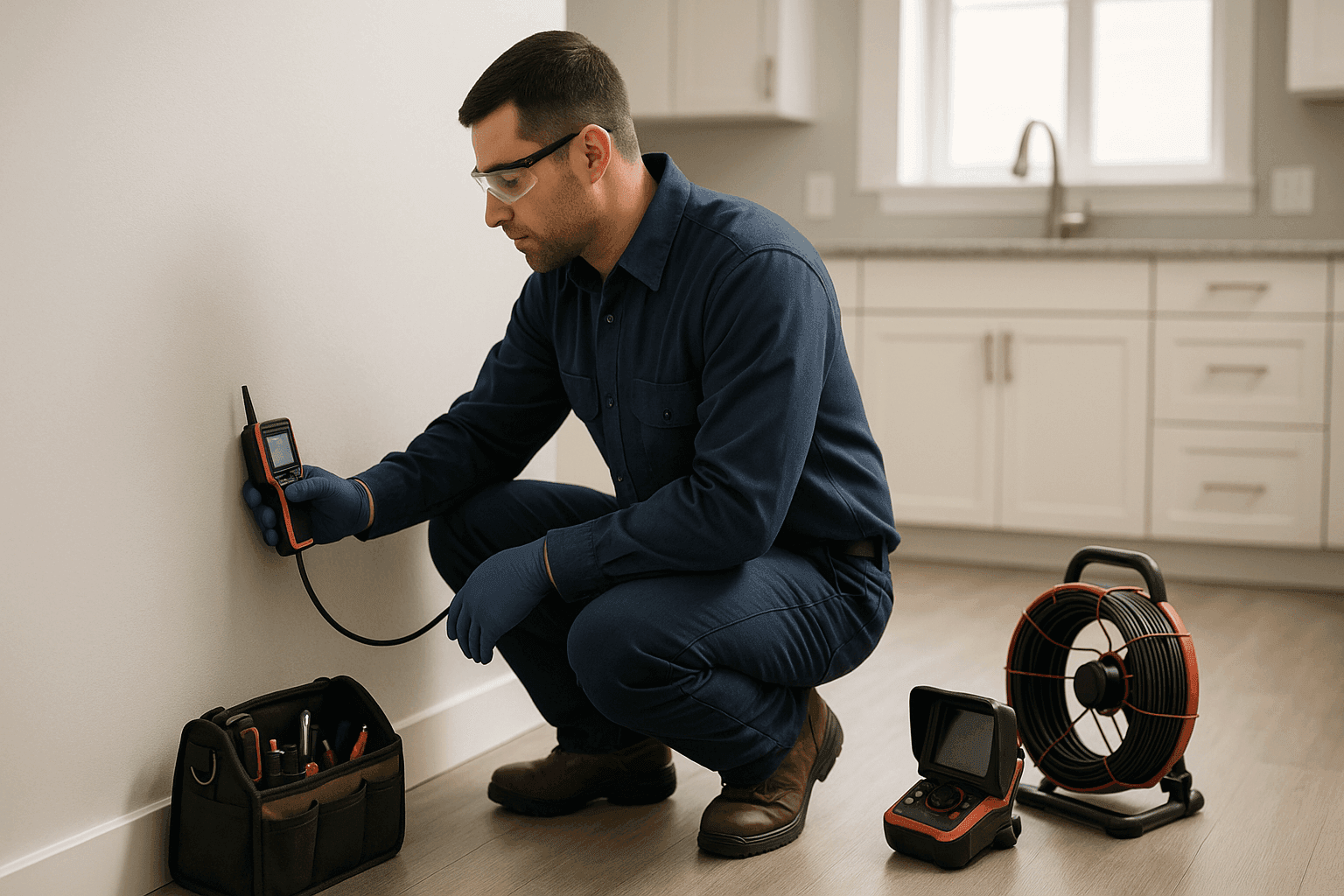
- Hidden leaks behind walls or ceilings: If you can’t see the source, don’t tear things apart yourself. Plumbers use non-invasive tools like acoustic listening devices or thermal imaging to track leaks.
- Recurring wet spots: If you’ve tried patching or tightening connections and it keeps coming back, the problem could be deeper.
- Sudden drop in water pressure: This could signal a major line break or blockage — especially if you also spot pooling water.
- Mold or mildew keeps returning: Eliminating the water source is the only real fix.
- Flooding or standing water: This is a plumbing emergency. Quick action can minimize damage.
Ants Plumbing offers emergency plumbing service, so help is always just a call away.
Causes of Home Leaks
Leaks can start small but quickly spiral. Understanding the most common causes helps you stay ahead of the problem:
- Aging pipes: Most homes use copper, galvanized steel, or plastic pipes. Over time, all can corrode, crack, or degrade.
- Freezing temperatures: In cold climates, water can freeze and expand inside pipes, causing bursts.
- Faulty plumbing joints: Poor installation or worn-out connections can fail under pressure.
- High water pressure: Too much force strains pipes, fixtures, and appliances.
- Clogged drains: Backups force water into seams and joints not designed to hold it.
- Roots in sewer lines: Trees love water — and their roots can crack or block pipes.
- Appliance failures: Old water heaters, washing machines, and dishwashers can spring leaks without warning.
According to the International Association of Certified Home Inspectors (InterNACHI), even a small drip can waste thousands of gallons per year and drive up your water bill.
Preventing Water Damage 🚫
Stopping leaks before they start is the gold standard. Here’s how homeowners can keep their plumbing tight:
- Schedule regular inspections: An annual visit from a licensed plumber can catch small problems before they turn big.
- Insulate exposed pipes: Especially in unheated areas, pipe sleeves or heat tape can prevent winter disasters.
- Know how to shut off your water: In an emergency, a quick shutoff saves thousands in repairs.
- Clean your gutters and downspouts: Overflow can lead to foundation leaks.
- Don’t ignore slow drains: Clogs can put pressure on pipes and cause leaks.
- Install water alarms: These affordable devices alert you to moisture in leak-prone areas.
- Replace washing machine hoses every 5 years: Burst hoses are a leading cause of home floods.
The Insurance Institute for Business & Home Safety recommends these steps to lower your risk and insurance claims.
Trust Elements: Certified Technicians, Advanced Equipment, Customer Reviews
When leaks strike, you want more than a wrench and a guess. Here’s what sets Ants Plumbing apart:
- Certified, background-checked technicians: Our team knows local codes and safety standards inside and out.
- Advanced leak detection tools: From acoustic microphones to thermal imaging, we find leaks without tearing up your home.
- Real customer feedback: Homeowners praise our prompt response, transparent pricing, and thorough repairs. We treat your home like our own.
- Up-to-date safety training: Gas safety checks, backflow prevention, and code compliance are built into every job.
- Full range of services: From Sump Pump Repair near you to water heater installation, we handle every plumbing emergency with care.
Preventing Water Damage
Water damage is like rust—it never sleeps. But you can tip the odds in your favor with simple habits:
- Check for leaks regularly: Don’t just wait for disaster. Make it part of your monthly home routine.
- Fix drips right away: That “just a little” leak can ruin cabinets, floors, and more.
- Use water pressure regulators: These inexpensive devices protect pipes from surges.
- Install backflow prevention devices: Especially if you have irrigation, pools, or finished basements.
- Book preventative maintenance: Annual checkups catch trouble while it’s still small.
What Happens If You Wait?
Letting leaks linger is like ignoring a check-engine light. Small problems can turn catastrophic:
- Structural damage: Water weakens wood framing, drywall, and even concrete.
- Mold growth: Mold can start in less than 48 hours and triggers allergies, asthma, and health risks.
- Higher repair bills: The longer water runs wild, the more expensive it is to fix.
- Decreased home value: Water-damaged homes are tough to insure and harder to sell.
Frequently Asked Questions
How do I know if my leak is an emergency?
If you see flooding, standing water, or water near electrical outlets, shut off your main water valve and call for emergency plumbing. Quick action limits damage.
Can I fix a hidden leak myself?
Some surface leaks are DIY-friendly. But leaks behind walls, under floors, or in ceilings are best left to certified plumbers with the right equipment.
Do leaks always mean visible water?
Not always. Many leaks stay hidden for months, only showing as stains, smells, or higher bills. That’s why regular checks and being alert to subtle changes is key.
Are there local codes for leak repair?
Yes. Most municipalities follow International Plumbing Code (IPC) or Uniform Plumbing Code (UPC) standards. Certified technicians ensure every repair meets safety and code requirements.
Local and Seasonal Considerations 🌦️
Climate and seasons matter when it comes to leaks:
- Winter: Pipe bursts are common after freezes. Insulate and let faucets drip during deep cold.
- Spring: Melting snow and heavy rains can expose foundation leaks or sump pump failure.
- Dry climates: Even minor leaks can waste precious water and strain local supplies.
- Older homes: Pipes and fixtures over 30 years old are at higher risk for sudden failures.
No matter where you live, regular inspections and fast action are your best defense.
Water leaks rarely fix themselves. Whether you need quick DIY advice or emergency plumbing response, Ants Plumbing is here to help — day or night. Don’t wait until a drip becomes a disaster.
Call Ants Plumbing now — or reach us anytime at 877-753-5879 .