How to Prepare Your Plumbing for Seasonal Storms and Flooding
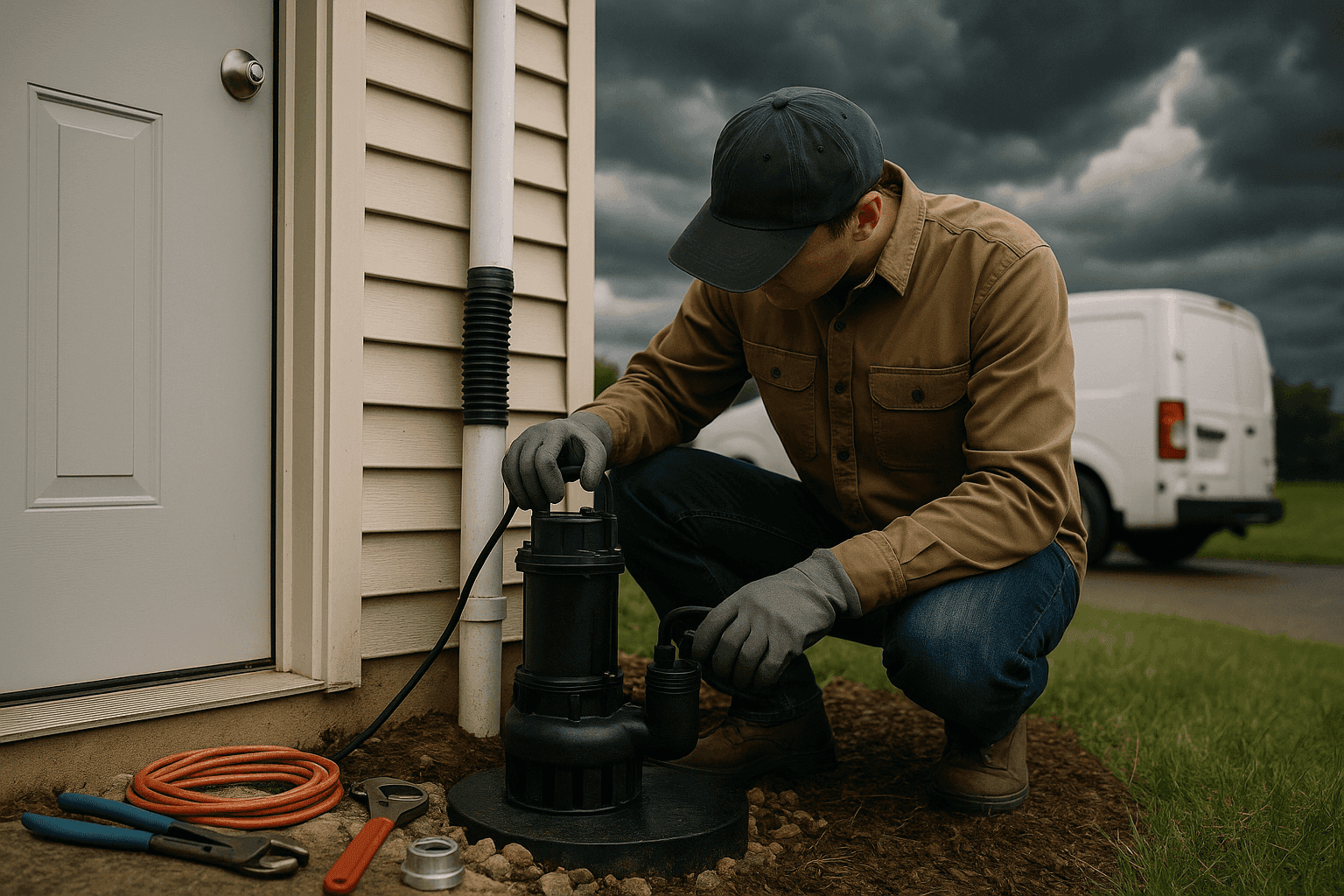
When the skies darken and the forecast calls for storms, it’s not just the roof or windows you need to worry about. Your plumbing system is the silent backbone of your home or business, quietly working until—suddenly—it’s not. Flooded basements, burst pipes, and overflowing drains can turn a rainy day into a disaster.
At Ants Plumbing, we’ve seen the aftermath of storms firsthand. We know how quickly a little water can become a big problem. But with some preparation and a little know-how, you can keep your plumbing strong, even when the weather isn’t.
Why Storms and Floods Threaten Plumbing
Storms are like a stress test for your plumbing. Heavy rain, high winds, and flooding put pressure on pipes, drains, and fixtures in ways that normal weather doesn’t. Think of your plumbing as a network of tunnels—when too much water rushes in, or when the ground shifts, those tunnels can crack, clog, or back up.
Common storm-related plumbing risks:
- Sump pump failure, leading to flooded basements
- Blocked or overwhelmed drains
- Sewer line backups from oversaturated ground
- Burst pipes due to sudden pressure changes
- Leaks from damaged outdoor fixtures and connections
According to the International Association of Certified Home Inspectors (InterNACHI), water damage from plumbing failures is one of the leading causes of property loss during storms. Prevention is much easier—and less costly—than emergency cleanup.
Quick Storm-Ready Plumbing Checklist 📝
Before the storm clouds roll in, run through this checklist. It’s like putting on a raincoat for your pipes.
- Test your sump pump: Pour a bucket of water into the pit. It should turn on and drain quickly.
- Clear gutters and downspouts: Make sure water flows away from your foundation.
- Secure outdoor fixtures: Tighten hose bibs, cover exposed pipes, and bring in garden hoses.
- Check for slow drains: Standing water in sinks or tubs signals a clog waiting to happen.
- Locate your main shutoff valve: Know how to turn water off fast in an emergency.
- Inspect for exposed or vulnerable pipes: Look for pipes in crawl spaces, garages, or along exterior walls.
- Backflow prevention: If you have a backflow valve, test it or schedule a professional inspection.
A few minutes now can save hours of cleanup later.
DIY or Call a Pro? Knowing Your Limits
Some storm prep is safe for anyone. But when it comes to plumbing, it’s easy to get in over your head—fast.
DIY-friendly tasks:
- Cleaning gutters and downspouts
- Testing sump pumps (if you’re comfortable)
- Checking visible pipes for leaks
- Tightening loose fixtures
Call a professional for:
- Persistent slow drains or gurgling toilets
- Sump pumps that don’t run or sound odd
- Installing backflow prevention devices
- Inspecting or repairing sewer lines
- Any sign of water leaking from pipes, walls, or ceilings
If you’re unsure, it’s always safer to ask for help. Emergency plumbing services exist for a reason—they save property and prevent stress.
What Plumbing Pros Do When They Arrive
When you call Ants Plumbing during a storm or flood, here’s what you can expect:
1. Fast Assessment
We start by checking the most vulnerable spots—basements, crawl spaces, utility rooms. Our team looks for standing water, leaks, and signs of pipe stress.
2. Sump Pump & Drain Inspection
We test your sump pump, inspect the pit, and check for clogs or electrical issues. If a pump is failing, we repair or replace it on the spot.
3. Leak & Pipe Checks
Using specialized tools, we find leaks—even those behind walls or underground. We check for burst pipes, loose connections, and signs of corrosion.
4. Emergency Shutoff Procedures
If water is pouring in, we’ll locate and close the main shutoff valve to limit damage. We’ll also walk you through this process for the future.
5. Preventative Maintenance Advice
After fixing the immediate problem, we offer advice on how to keep your system storm-ready—so you’re not caught off guard next time.
Prevention & Maintenance: Your Best Defense
Just like you wouldn’t wait for a flat tire to check your car’s pressure, don’t wait for a flood to think about your plumbing.
Simple habits make a big difference:
- Schedule annual sump pump and backflow valve inspections
- Insulate exposed pipes before storm season
- Use drain screens to keep debris out of pipes
- Install water alarms in basements and near water heaters
- Have sewer lines professionally inspected every few years (per National Plumbing Code recommendations)
- Keep a list of emergency plumbing contacts handy
The National Flood Insurance Program (NFIP) recommends routine plumbing checks as a key part of flood preparedness. Maintenance now means fewer surprises later.
Costs & Time Factors: What to Expect
Storm prep doesn’t have to break the bank. Most inspections and basic maintenance are affordable and can be done in a single visit.
- Sump pump testing and minor repairs: Usually under an hour
- Drain cleaning: 1–2 hours, depending on severity
- Pipe inspections: 1–3 hours, especially if using cameras
- Emergency repairs: Vary widely based on the problem and access
Keep in mind, waiting until after a flood or storm can multiply costs—water damage restoration, mold removal, and major pipe repairs add up fast.
When It’s an Emergency
Sometimes, even the best prep can’t stop a sudden plumbing failure. Here’s when you should treat the situation as urgent:
- Water is rising quickly in the basement or crawl space
- You see water gushing from pipes or fixtures
- Toilets or drains are backing up with sewage
- You smell gas or suspect a gas line is damaged (leave immediately and call emergency services)
In these moments, every second counts. Know your main shutoff valve location and don’t hesitate to call for emergency plumbing help.
FAQ: Storm & Flood Plumbing
How can I tell if my sump pump is working?
Pour a bucket of water into the sump pit. The pump should activate, drain the water, and shut off automatically. If it doesn’t, check the power and call a plumber.
What’s the risk of sewer backup during storms?
Heavy rain can overwhelm municipal sewers, causing backups into homes. Backflow prevention devices and regular drain inspections can help reduce this risk.
Can I use sandbags to protect my plumbing?
Sandbags are great for keeping water out of doorways, but they won’t stop sewer backups or pipe bursts. Focus on both exterior and interior plumbing protection.
Should I turn off my water before leaving during a storm?
If you expect to be gone for several days and severe flooding is possible, shutting off the main water valve can prevent major leaks.
Special Considerations for Storm-Ready Plumbing
Every property is unique. Older homes may have aging pipes or outdated drainage systems. Businesses with commercial kitchens or multiple restrooms face higher risks from backups and leaks. If you’ve recently remodeled, check that all new plumbing meets current codes and is storm-resistant.
For properties with basements, consider a battery backup for your sump pump. Power outages are common during storms, and a backup can keep water at bay when you need it most.
If you have a water heater, boiler, or gas line, ensure all are securely anchored and elevated if possible. Floodwaters can damage these appliances, leading to dangerous situations.
Storms are unpredictable, but your response doesn’t have to be. With a little preparation and the right support, you can weather any storm—literally.
Call Ants Plumbing now — or reach us anytime at 877-753-5879 .