How to Prevent and Fix Common Water Pressure Issues in Your Home
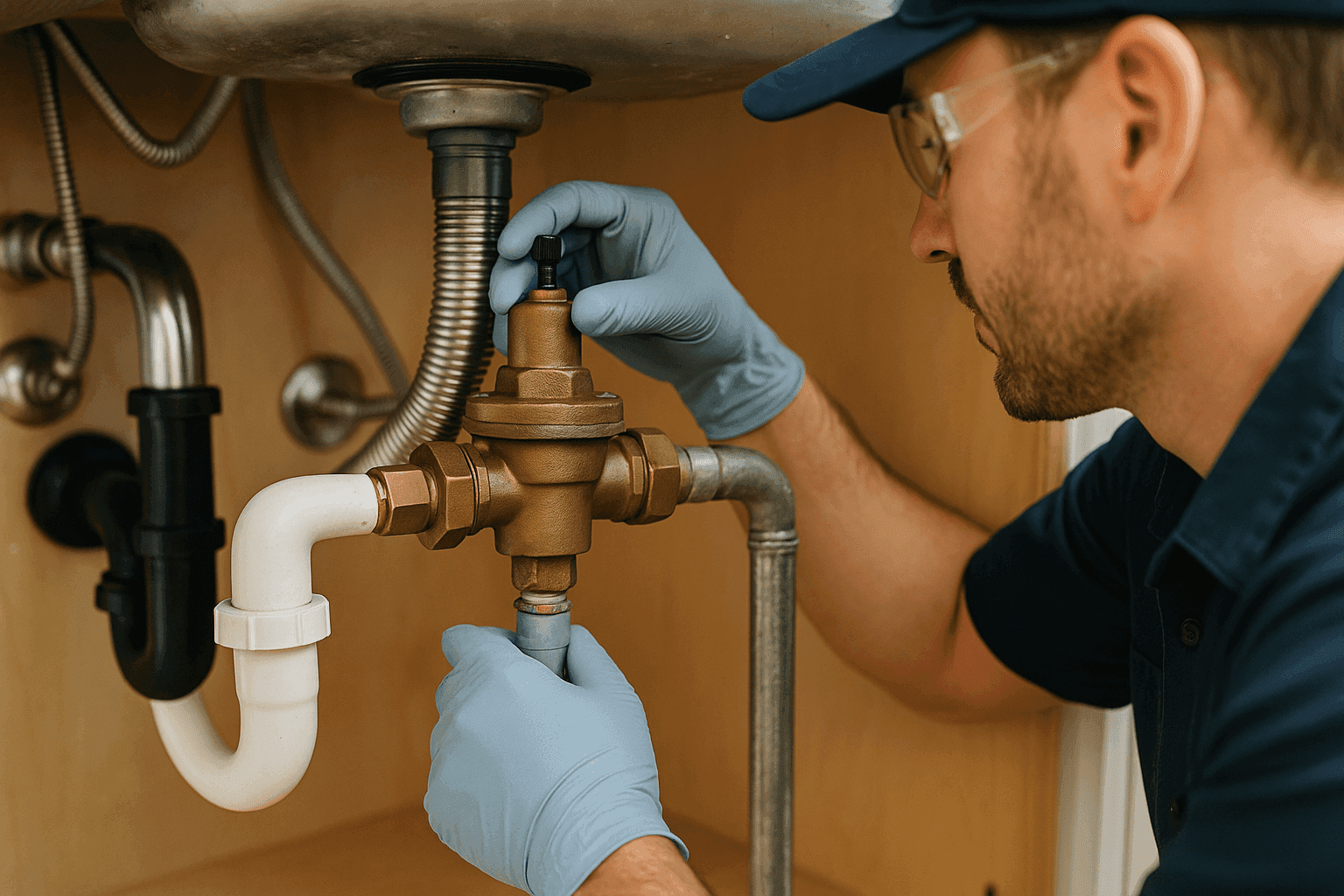
Ever turned on your shower expecting a strong, steady stream—only to be met with a weak trickle or, worse, a blast so powerful it feels like a fire hose? Water pressure problems can sneak up on any homeowner or small business owner. They’re more than just an annoyance. They can signal bigger issues lurking in your plumbing.
At Ants Plumbing, we know how disruptive water pressure issues can be. Whether you’re washing dishes, filling a bathtub, or running your business, you need reliable plumbing every day. Here’s how to keep your water flowing just right—and what to do when it’s not.
What Is Water Pressure and Why Does It Matter?
Think of water pressure as the heartbeat of your plumbing system. It’s the force that pushes water through pipes, faucets, and appliances. Too low, and daily tasks take forever. Too high, and you risk bursting pipes or damaging fixtures.
Proper water pressure keeps showers comfortable, toilets flushing, and appliances running smoothly. According to the International Plumbing Code (IPC), ideal residential water pressure typically ranges from 40 to 80 psi (pounds per square inch). Anything outside this range can cause problems—sometimes expensive ones.
Common Causes of Low and High Water Pressure 🚰
Water pressure troubles can stem from many sources. Some are simple, others more serious. Here’s what to watch for:
Low Water Pressure
- Clogged pipes or fixtures: Mineral deposits and debris can build up over time, narrowing the flow.
- Leaky pipes: Even a small leak can divert water, reducing pressure everywhere else.
- Faulty pressure regulator: This device keeps pressure steady. If it fails, the whole system can suffer.
- Municipal supply issues: Sometimes the problem starts outside your home.
- Partially closed shutoff valves: Accidentally bumped during repairs or renovations.
High Water Pressure
- Malfunctioning pressure regulator: If it’s stuck or broken, pressure can spike.
- Thermal expansion: Water heaters can increase pressure if expansion tanks are missing or faulty.
- Municipal supply changes: Water companies sometimes raise pressure without notice.
- Backflow issues: Cross-connections or faulty backflow prevention can create surges.
Ignoring these signs is like ignoring a check-engine light. Small issues can quickly become big headaches.
Quick Safety Checklist Before You Start
- Turn off electrical appliances near water sources.
- Wear gloves and eye protection when checking pipes or valves.
- Never force stuck valves or fittings—this can cause leaks or breakage.
- If you suspect a gas line or major leak, leave the area and call for emergency plumbing help immediately.
- Know where your main water shutoff valve is located.
DIY Troubleshooting Steps to Identify Water Pressure Problems
Don’t grab the toolbox just yet. Start simple. Here’s how to play detective:
1. Test Multiple Fixtures
Is the problem everywhere or just in one spot? If it’s only the kitchen sink, the issue is likely local (like a clogged aerator). If it’s all over, look deeper.
2. Check the Pressure Regulator
Locate your home’s pressure regulator—usually near where the main water line enters. If you have a pressure gauge, attach it to an outdoor spigot. Readings below 40 psi or above 80 psi are red flags.
3. Inspect for Visible Leaks
Look under sinks, around toilets, and in the basement. Wet spots, mold, or musty smells often signal leaks.
4. Clean Faucet Aerators and Showerheads
Mineral deposits can clog these small screens. Unscrew, soak in vinegar, and rinse.
5. Check Shutoff Valves
Make sure all valves (main, branch, and appliance) are fully open unless repairs are underway.
6. Ask Your Neighbors
If they’re having similar issues, the problem may be with the municipal supply.
DIY vs. Call a Pro: When to Get Help
Some water pressure fixes are simple. Others can spiral into bigger problems if handled incorrectly. Here’s a quick guide:
Handle Yourself:
- Cleaning aerators and showerheads
- Checking and opening shutoff valves
- Replacing old washers or gaskets in faucets
Call Ants Plumbing If:
- You find leaks in walls, ceilings, or floors
- Pressure is dangerously high or low (outside 40–80 psi)
- The pressure regulator is malfunctioning
- Pipes are making banging or whistling noises (water hammer)
- You notice discoloration or rust in water
- You’ve tried the basics and the problem persists
Remember, plumbing codes require certain repairs—especially those involving pressure regulators, backflow prevention, or gas lines—to be handled by licensed professionals. Safety first.
What the Pros Do When They Arrive
Curious what happens when you call in the cavalry? Here’s how Ants Plumbing tackles water pressure mysteries:
- Professional pressure testing: Using calibrated gauges to get accurate readings.
- Thorough leak detection: Pressure tests, infrared cameras, and moisture meters to find hidden leaks.
- Fixture and pipe inspection: Checking for blockages, corrosion, or improper installations.
- Pressure regulator and backflow device testing: Ensuring devices meet code and function properly.
- Pipe repair or replacement: Fixing leaks, removing blockages, or upgrading old pipes.
- System evaluation: Looking at your entire plumbing system for underlying problems, including water heaters and expansion tanks.
We follow standards set by organizations like the International Association of Plumbing and Mechanical Officials (IAPMO) and the American Water Works Association (AWWA).
Preventative Maintenance Tips to Avoid Water Pressure Issues 🛠️
An ounce of prevention is worth a pound of cure. Here’s how to keep water pressure problems at bay:
- Flush your water heater annually: Removes sediment that can clog pipes and reduce pressure.
- Inspect and clean aerators every few months: Keeps water flowing freely.
- Check pressure regulator yearly: Replace if it’s over 10 years old or acting up.
- Schedule annual plumbing inspections: Professionals can spot issues before they escalate.
- Install water filtration systems: Prevents mineral buildup and extends the life of your plumbing.
- Insulate exposed pipes: Especially before winter, to prevent freezing and bursts.
- Test backflow prevention devices: Ensures they’re working and meets code requirements.
Costs & Time Factors: What to Expect
Plumbing repairs can be unpredictable—sometimes it’s a quick fix, sometimes a bigger job. Here’s a general idea:
- DIY fixes: Cleaning aerators or replacing washers can take under an hour and cost just a few dollars.
- Professional service calls: Leak detection, regulator replacement, or pipe repairs may take 1–4 hours depending on complexity.
- Parts and labor: Costs vary by job and materials. Pressure regulators, for example, can range from affordable to premium depending on type and installation needs.
- Emergency plumbing: After-hours or urgent repairs may cost more due to immediate response and specialized equipment.
Getting an accurate estimate often requires a professional assessment. It’s always better to address issues early—waiting can lead to more expensive repairs down the line.
When It’s an Emergency
Not all water pressure issues can wait. Call for emergency plumbing help if:
- Water pressure suddenly drops to nothing or surges dangerously high
- You spot flooding, major leaks, or water spraying from pipes
- You hear loud banging (water hammer) or see pipes shaking
- You suspect a burst pipe—especially in winter, when freezing can cause cracks
- There are signs of gas leaks near water heaters or gas lines (leave the area and call immediately)
Fast action can prevent structural damage, mold growth, and costly repairs.
FAQ: Common Water Pressure Questions
Why does my water pressure drop when I use multiple fixtures?
Your pipes can only carry so much water at once. If several fixtures are open, the available pressure splits between them. If the drop is severe, there may be a blockage or your pipes might be undersized for your needs.
Can high water pressure damage my appliances?
Absolutely. Too much pressure can shorten the lifespan of dishwashers, washing machines, water heaters, and even ice makers. It can also cause leaks at connection points.
Is it safe to adjust the pressure regulator myself?
If you’re comfortable and have the right tools, minor adjustments are possible. But if you’re unsure—or if the regulator seems faulty—it’s best to call a licensed plumber. Incorrect adjustments can cause leaks or violate plumbing codes.
What’s the best way to prevent water pressure problems?
Regular maintenance is key. Annual inspections, cleaning aerators, and checking your pressure regulator go a long way. Address small issues before they become big ones.
Special Considerations for Water Pressure Service
- Seasonal changes: Cold weather can freeze pipes, leading to sudden drops in pressure or bursts. Insulate pipes and know how to shut off your water in an emergency.
- Older homes: Outdated pipes (like galvanized steel) are more prone to corrosion and blockages. Consider repiping if you have frequent issues.
- Backflow prevention: Devices must be tested regularly and kept in good working order to protect your water supply.
- Water filtration: Hard water can cause mineral buildup, so installing filtration systems can help maintain steady pressure and prolong pipe life.
- Plumbing codes: Always follow local codes for repairs, especially for pressure regulators, backflow devices, and gas lines. This keeps your home safe and avoids costly violations.
If you’re dealing with stubborn water pressure problems—or just want peace of mind—Call Ants Plumbing now — or reach us anytime at 877-753-5879 . We’re here to keep your water flowing safely and smoothly, day or night.