Preventing Frozen Pipes: Winter Plumbing Checklist for Homeowners
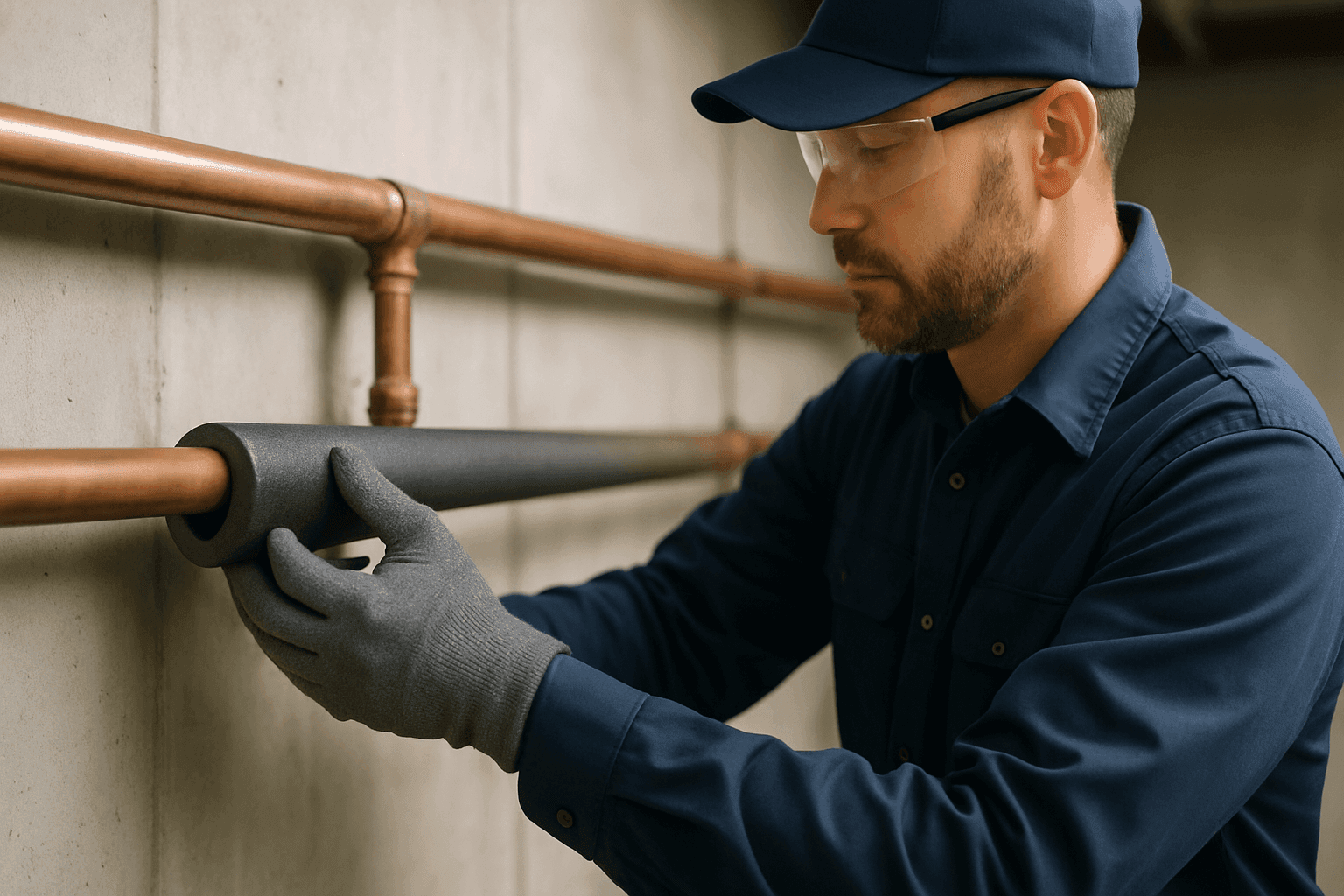
Every winter, homeowners brace themselves for the cold. When the temperature drops, pipes can become ticking time bombs hidden in your walls and crawl spaces. One deep freeze, and suddenly you’re searching for “emergency plumbing” in a panic.
At Ants Plumbing, we’ve seen the aftermath: water gushing through ceilings, ruined family photos, and frantic midnight calls. But with the right steps—and a little vigilance—you can keep your home safe, dry, and warm.
Why Pipes Freeze 🥶
Water is stubborn. When it gets cold, it expands as it freezes. Pipes aren’t built to stretch, so when water inside turns to ice, it pushes outward. The pressure can split copper, crack PVC, and even burst the toughest steel.
The U.S. National Weather Service notes that pipes are most likely to freeze when temperatures hit 20°F (-6°C) or below. But wind, poor insulation, and even a small draft can make trouble long before then.
A single frozen pipe can spill hundreds of gallons of water in hours—enough to ruin floors, walls, and treasured keepsakes. And it’s not just about the mess. Burst pipes often lead to hidden mold, rot, and expensive repairs down the road.
Areas Most at Risk
Some pipes live in the danger zone all winter:
- Basements & Crawl Spaces: Out of sight, out of mind—and out of the warmth. These spots rarely get enough heat.
- Exterior Walls: Pipes running along outside walls have little protection from the cold.
- Attics & Garages: Unheated, drafty, and often overlooked.
- Under Kitchen & Bathroom Sinks: Cabinet doors trap cold air, especially if they’re on an exterior wall.
- Outdoor Faucets & Hose Bibs: The first to freeze, sometimes even before you realize winter has arrived.
Step-by-Step Winterization Checklist
Here’s your game plan—no special tools required. Just attention, a little time, and maybe a flashlight.
1. Insulate Exposed Pipes
- Pipe foam sleeves or fiberglass wrap work wonders. Focus on pipes in basements, crawl spaces, and attics.
- Even a newspaper wrapped around pipes in a pinch can help (U.S. Department of Energy).
2. Seal the Drafts
- Use caulk or spray foam to close gaps around holes where pipes enter walls or floors.
- Pay attention to dryer vents, electrical cables, and any place cold air sneaks in.
3. Keep the Heat On
- Never set your thermostat below 55°F (13°C), even if you’re headed out of town.
- Open bathroom and kitchen cabinets to let warm air circulate around pipes.
4. Let Faucets Drip
- A tiny trickle from the tap keeps water moving, making it less likely to freeze.
- Focus on the highest-risk faucets—those along exterior walls.
5. Disconnect Outdoor Hoses
- Drain and store hoses. Close inside valves supplying outdoor bibs, then open the outside tap to drain any remaining water.
6. Consider Heat Tape
- Electric heat tape can keep pipes warm in the coldest spots. Follow manufacturer instructions closely for safety.
7. Check Your Sump Pump
- Test your sump pump before winter storms hit. If it fails, search for "Sump Pump Repair near you"—or call Ants Plumbing. A working sump pump can stop basement flooding if pipes burst.
8. Know Your Main Shut-Off Valve
- Make sure everyone in the house knows where it is and how to turn it off. Seconds can make a difference if a pipe bursts.
Emergency Steps if Pipes Freeze 🚨
It happens. Pipes freeze, even with your best efforts. If you turn on a faucet and only a trickle comes out, act fast:
1. Keep the Faucet Open
- As you treat the frozen area, water will begin to flow. Running water helps melt ice inside the pipe.
2. Apply Gentle Heat
- Use a hair dryer, heating pad, or warm towels on the frozen section. Never use open flames or propane torches—they can start fires.
- Start near the faucet and work your way toward the coldest section.
3. Check for Leaks
- Once the pipe thaws, look for cracks or drips. If you find any, shut off the main water valve immediately.
4. Call Emergency Plumbing
- Sometimes, pipes just won’t thaw—or you discover a leak. That’s when Ants Plumbing jumps into action, day or night.
Long-Term Prevention Tips
Winter comes every year. Make these habits part of your home care routine:
- Upgrade Insulation: Add more to attics, basements, and crawl spaces.
- Replace Old Pipes: Steel and iron pipes are more likely to burst. Modern materials handle cold better.
- Install Smart Sensors: Water leak detectors near high-risk pipes can alert you before disaster strikes.
- Schedule Preventative Maintenance: Regular checkups from a licensed plumber can catch small issues before they become emergencies.
- Stay Informed: Follow local building codes and safety guidelines (consult the International Plumbing Code and your municipality’s rules).
Ants Plumbing: Cold-Weather Plumbing Know-How
With decades of hands-on experience, Ants Plumbing handles everything from burst pipes to Sump Pump Repair near you. Our team responds fast, day or night. We’ve seen every winter surprise—so you don’t have to.
When pipes freeze, seconds count. We’ll help you prevent, detect, and repair cold-weather plumbing issues with skill, care, and urgency.
Frequently Asked Questions
What temperature do pipes start to freeze?
Pipes can freeze when the outside temperature drops to 20°F (-6°C) or lower. Drafts and poor insulation make them freeze even faster.
How do I find my main water shut-off valve?
Look where the water line enters your house—often in the basement, crawl space, or utility closet. It’s usually a round wheel or lever.
Can I use a space heater to warm frozen pipes?
Yes, but always keep heaters away from anything flammable. Never leave them unattended.
Should I insulate all pipes, or just some?
Focus on pipes in unheated areas first. If you’ve had frozen pipes before, insulate those areas as a priority.
Local & Seasonal Considerations ❄️
Some winters bite harder than others. Sudden cold snaps, power outages, and wind chills can make even “safe” pipes vulnerable. Keep weather radios handy and prepare early—don’t wait for the first hard freeze.
If you’re planning renovations or a new bathroom, talk to your plumber about pipe placement and insulation. Preventing frozen pipes is always easier (and cheaper) than repairing them.
Call Ants Plumbing now — or reach us anytime at 877-753-5879 .