Sump Pump Failure? How to Protect Your Basement from Flooding
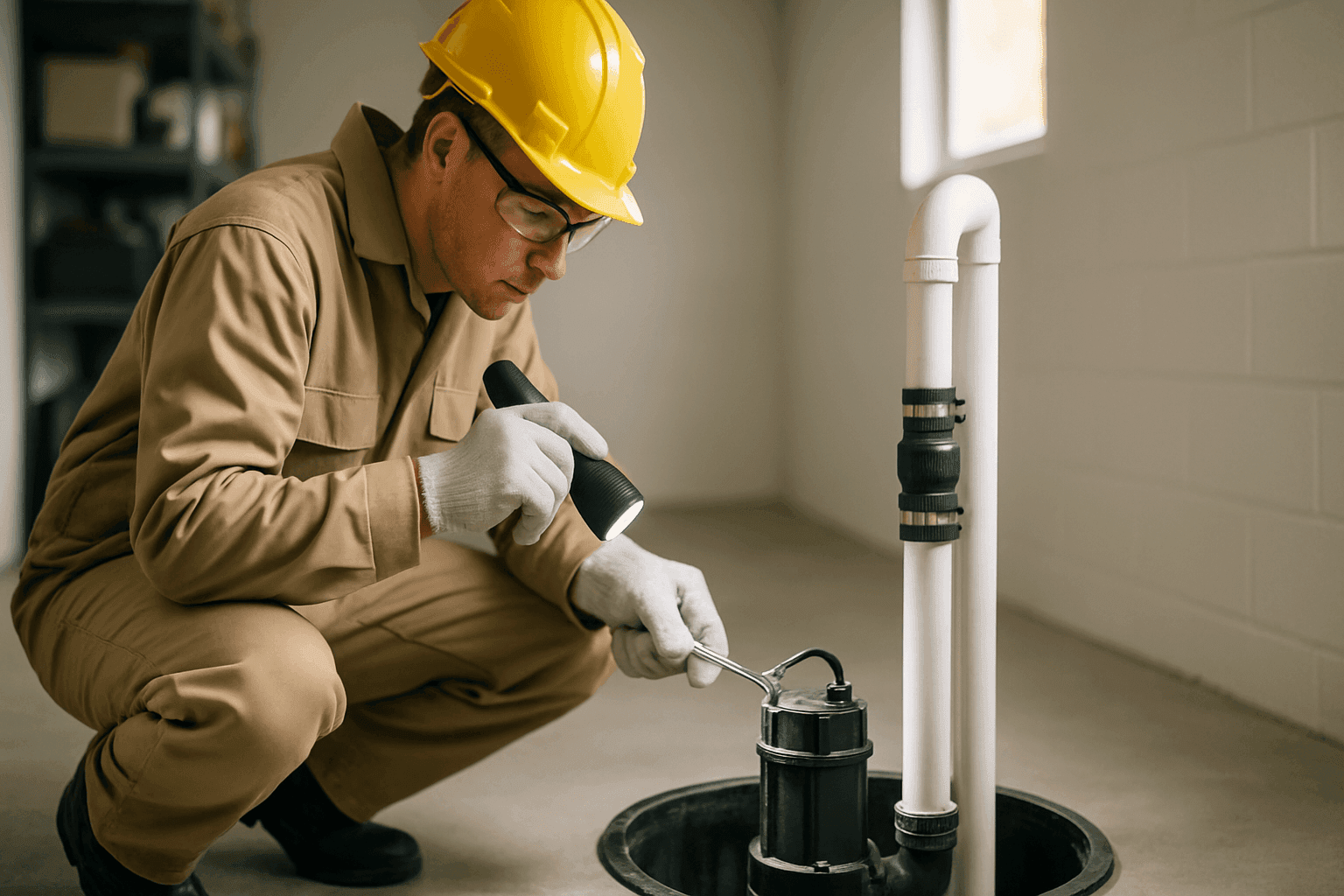
When your sump pump stops working, it’s like your basement’s umbrella just blew inside out during a downpour. Water doesn’t wait—it seeps, creeps, and can quickly turn a dry basement into a soggy nightmare.
At Ants Plumbing, we know these moments are stressful. That’s why our team is ready 24/7 for emergency plumbing calls, and why we’ve put together this guide to help you act fast and smart when the unexpected happens.
Why Sump Pumps Fail
A sump pump is your home’s front-line defense against basement flooding. But even the most reliable pumps can stumble when you need them most. Here’s why:
- Power Outages: Storms can knock out electricity, leaving your sump pump silent just when groundwater is rising.
- Switch Issues: The float switch tells your pump when to turn on. If it gets stuck or misaligned, your pump won’t run—even if the water rises.
- Clogging: Dirt, debris, or even small stones can block the pump’s intake or discharge, stopping water from getting out.
- Aging Equipment: Like an old car, a sump pump can just wear out. Most last 7-10 years with regular use.
- Improper Installation: If the pump isn’t set up right, it may never work as intended.
Think of your sump pump as the goalie in a hockey game. If something blocks its view—or takes it out of play—the water scores, every time. 🏒
Immediate Steps to Take During Failure
Speed matters. Here’s what to do the moment you realize your sump pump isn’t working:
- Shut Off Power: If water is rising near electrical outlets or the pump itself, cut power to the basement to avoid shock.
- Move Valuables: Get anything precious—photos, electronics, keepsakes—up off the floor and out of harm’s way.
- Use a Backup Pump: If you have a water-powered or battery backup, switch it on. Some homeowners keep a portable utility pump for emergencies.
- Lay Down Towels or Sandbags: These can help slow water spread if you’re waiting for help.
- Call for Emergency Plumbing: If water is entering fast, don’t wait. Reach out for sump pump repair near you—timing is everything.
Even a few inches of water can mean thousands in damage. Quick action buys you precious time.
How to Diagnose the Problem
Not every sump pump issue needs a pro right away. Here’s what you can check yourself:
- Check the Power Source: Is the pump plugged in? Has a breaker tripped?
- Inspect the Float Switch: Gently lift the float. If the pump kicks on, the switch may be stuck.
- Look for Clogs: Shine a flashlight into the pit to spot debris around the pump.
- Listen for Sounds: A humming pump that doesn’t move water might be jammed or burned out.
- Smell for Burning: A hot, electrical smell means the motor could be failing—shut it off and don’t touch.
When to Call a Professional:
If you see sparks, smell burning, or water is rising fast, play it safe. Call Ants Plumbing for emergency plumbing help. We’re licensed, insured, and have the right tools to diagnose sump pump trouble without guessing.
Preventing Basement Floods in Storm Season
An ounce of prevention is worth a gallon of water mopped off your basement floor. Here’s how to keep your sump pump ready for action:
- Regular Maintenance: Test your sump pump every few months by pouring a bucket of water into the pit. It should start up and remove water quickly.
- Clean the Pit: Remove any dirt, leaves, or debris that can clog the pump.
- Install a Battery Backup: When the power goes out, a backup system kicks in—no manual effort required.
- Check Discharge Lines: Make sure the outflow pipe isn’t frozen or blocked.
- Add a Water Alarm: These small devices beep loudly if water levels get too high, giving you a head start.
- Annual Professional Inspection: Have a licensed plumber check the system, especially before heavy rain or snowmelt.
The National Association of Home Builders recommends testing and maintaining sump pumps as part of your yearly home safety routine. Don’t skip it.
When to Replace vs. Repair
Not sure if your sump pump just needs a quick fix or a full replacement? Here’s a quick guide:
Repair If:
- The issue is minor, like a stuck float or a clogged intake.
- The pump is less than 7 years old and hasn’t had frequent problems.
- The motor runs but needs a new switch or minor part.
Replace If:
- The pump is 10+ years old.
- Repairs cost more than half the price of a new unit.
- There’s recurring failure, even after recent repairs.
- You’re upgrading to add backup power or a higher-capacity system.
A trusted plumber can help you weigh the options based on your setup, budget, and flood risk.
Licensed, Insured Pros—And Why It Matters
When basement water is rising, you want help from folks who know what they’re doing. Ants Plumbing is fully licensed and insured—meaning your home and our team are protected on every job. Every technician passes background checks and ongoing training in plumbing code and safety standards.
What Our Customers Say
"Ants Plumbing saved our basement during a midnight storm. They showed up fast, fixed our sump pump, and explained everything. Couldn’t ask for better service."
— The Harris Family
_"Called them at 2AM—no fuss, no runaround. The technician was professional and got the job done."
— Marcus R.
Emergencies don’t wait for business hours. Neither do we. 🌙
Frequently Asked Questions
How often should I test my sump pump?
Test it every three months by pouring water into the pit. Watch to see it turn on and pump water out.
Is a battery backup really necessary?
Absolutely—especially if you live in an area prone to storms or frequent power outages. When the lights go out, your pump keeps working.
Can I install a sump pump myself?
Some handy homeowners do, but plumbing codes and safety risks make professional installation the safer bet.
What does an emergency plumber do during a sump pump failure?
We’ll check your power, inspect the pump, clear any blockages, and offer quick solutions—sometimes on the spot. We also help move water out if it’s already rising.
Local & Seasonal Considerations
Heavy rainfall, spring thaws, and sudden snowmelt put extra stress on basement waterproofing systems. In our region, these weather swings aren’t rare. If you’ve had water in your basement once, odds are it could happen again.
The best time to check your sump pump is before the rain starts falling or the snow starts melting. If you’re not sure your system is up to the challenge, schedule a preventative maintenance visit with Ants Plumbing.
When your sump pump fails, every minute counts. Don’t face basement flooding alone. Call Ants Plumbing now — or reach us anytime at 877-753-5879 .