The Homeowner’s Guide to Sump Pump Maintenance and Repairs
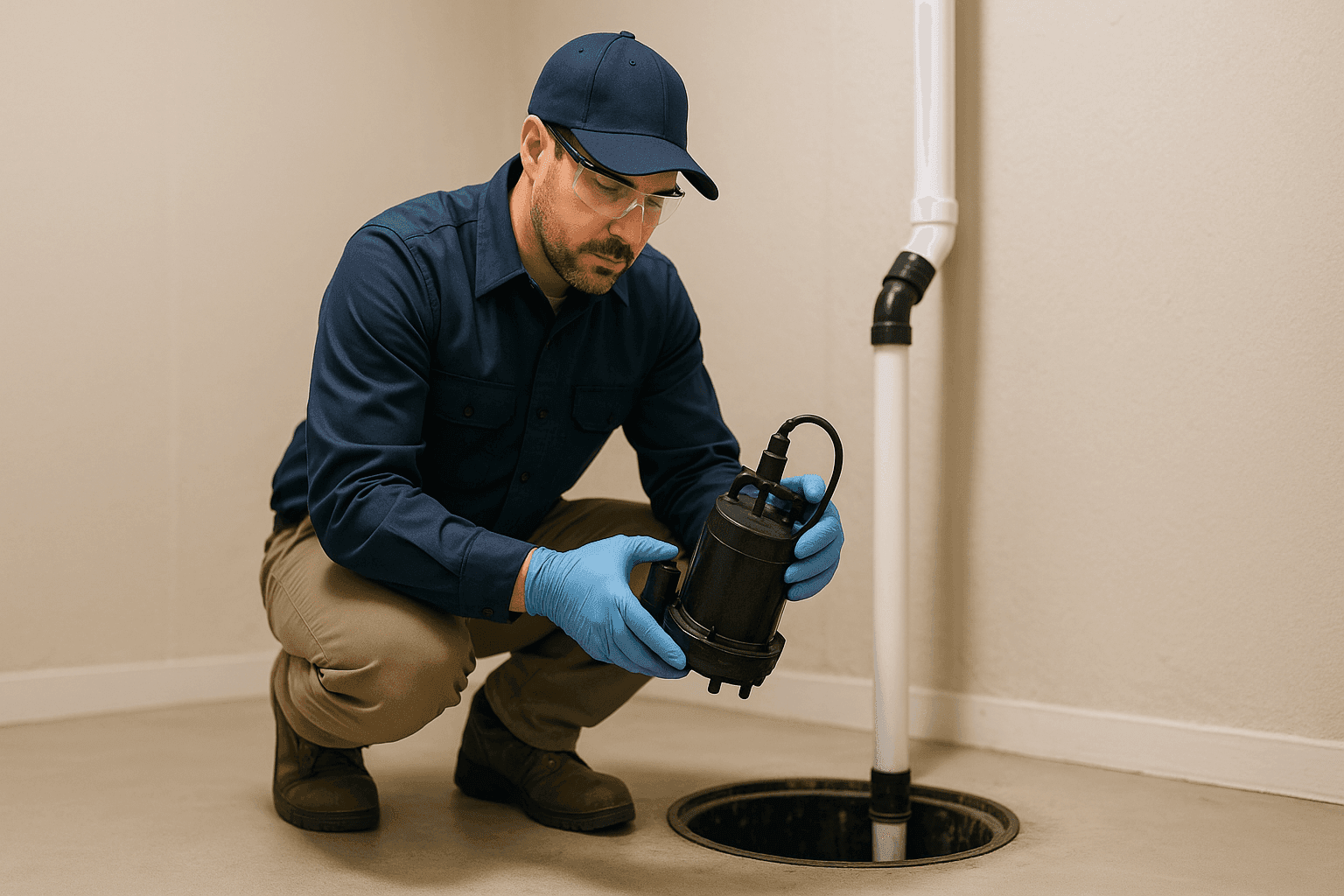
When the rain comes down hard and fast, your sump pump is your home’s unsung hero—working quietly to keep your basement dry and safe. But like any hero, it needs care and attention to stay ready for action.
Plumbing emergencies rarely wait for a convenient time. At Ants Plumbing, we’ve seen flooded basements, ruined family keepsakes, and panicked homeowners who wish they’d known a little sump pump wisdom. This guide is here to help you prevent that stress, with practical advice rooted in years of hands-on experience.
Why Sump Pumps Fail 🛠️
Sump pumps act as silent lifeguards for your basement, pushing out water before it can pool. But even the best tools have weak spots. Knowing what can go wrong helps you stay a step ahead.
Common Causes of Sump Pump Failure:
- Power Outage: No electricity, no pumping. Storms that bring heavy rain often knock out power.
- Clogged Discharge Line: Leaves, dirt, or ice can block the line, causing water to back up.
- Switch Problems: The float switch can get jammed or stuck. If it can’t move, the pump won’t start.
- Pump Overload: If your pump is too small for the job, it can burn out from overwork.
- Old Age: Most pumps last about 7-10 years, according to manufacturers like Zoeller and Wayne. Parts wear out with time.
- Improper Installation: If not set up right, even the best pump can fail at the worst time.
When these issues add up, water finds its way in. That’s when you need emergency plumbing, fast.
DIY Sump Pump Maintenance Steps
You don’t have to be a pro to keep your sump pump humming. Like changing oil in your car, a little regular attention goes a long way.
Homeowner Sump Pump Checklist:
- Test the Pump: Pour a bucket of water into the pit. The pump should start quickly and remove water fast.
- Clean the Pit: Remove dirt, gravel, and any debris from the sump basin.
- Check the Discharge Line: Make sure it’s clear outside and water flows away from your foundation.
- Inspect the Power Source: Ensure the pump is plugged into a GFCI outlet and the cord is free of damage.
- Look at the Float: Move it up and down. It should move easily and not catch on anything.
- Change the Battery (if you have a backup): Test or replace batteries each year.
- Listen for Strange Sounds: Grinding or rattling can mean trouble inside the motor.
Tip: Schedule these checks before big rainstorms or spring thaw, when your sump pump is most needed.
Troubleshooting Common Issues
Even with good maintenance, problems can pop up. Here’s how to spot and solve the usual suspects.
Issue: Pump Won’t Turn On
- Check Power: Reset the GFCI. Try another device in the outlet.
- Look at the Float Switch: Free it if it’s stuck.
- Inspect for Clogs: Clear debris from the intake screen.
Issue: Runs Constantly
- Float Switch Jammed: Adjust so it moves freely.
- Discharge Line Blocked: Clear any obstructions.
- Check Valve Stuck: Make sure the check valve on the discharge pipe isn’t stuck open.
Issue: Strange Noises
- Vibrations: The pump might be rattling against the pit wall—adjust its position.
- Grinding: Could mean a worn impeller or motor. Consider professional repair.
If you fix the obvious and the problem sticks around, it’s time to search for "Sump Pump Repair near you" or reach out to a licensed plumber.
When to Repair vs. Replace
Sometimes a little fix isn’t enough. Here’s how to know when it’s time for a new pump.
Repair May Be Enough If:
- The unit is less than 7 years old.
- It’s just a stuck switch or a minor clog.
- The motor is running but flow is weak (and there’s no sign of major damage).
Replacement Makes Sense If:
- The pump is rusted, cracked, or leaking.
- It’s older than 10 years (per manufacturer guidelines).
- Repairs are costing more than a new unit.
- It’s failed during a flood and your basement got wet.
Think of it like an old pair of boots—patches only last so long.
Quick Safety Checklist
Before you dig in, keep safety first. Water and electricity are not friends.
- Always unplug the sump pump before maintenance.
- Wear rubber gloves and boots in a wet area.
- Don’t try to fix electrical issues unless you’re qualified.
- If you smell gas, leave the area and call for emergency plumbing help immediately.
For more electrical safety tips, review information from the National Electrical Code (NEC).
Professional Help: When to Call Ants Plumbing
Some problems need more than elbow grease. Here’s when it’s smart to bring in a professional:
- You see sparks, smoke, or smell burning.
- Water is backing up despite your efforts.
- The pit floods each time it rains.
- You’re not comfortable working with electricity or plumbing.
When you call Ants Plumbing, a licensed technician arrives ready to pinpoint the problem, explain your options, and restore your peace of mind.
What Pros Do On Arrival
Curious what happens when you call for "Sump Pump Repair near you"? Here’s a snapshot:
- Inspect the entire system: pit, pump, discharge, and power.
- Test electrical connections and float operation.
- Check for hidden leaks and pipe corrosion.
- Advise on code compliance (such as proper check valve installation).
- Provide clear, honest recommendations on repair or replacement.
Our team draws on years of experience and stays up to date with plumbing codes and manufacturer instructions.
Prevention & Maintenance
Preventing problems is easier—and cheaper—than cleaning up a flooded basement.
Ants Plumbing’s Seasonal Checklist:
- Inspect and test the pump before spring rains and fall storms.
- Clear leaves and debris from outdoor discharge lines.
- Keep a backup battery or water-powered pump ready.
- Schedule a professional checkup each year for peace of mind.
Regular sump pump maintenance can extend the life of your system and protect your home from costly water damage.
Costs & Time Factors
How much will it cost? How long will it take? Here’s what to expect (without quoting exact prices).
- DIY Checks: Usually under an hour, just your time.
- Minor Repairs: Simple fixes like clearing clogs or replacing a float switch can often be done in one visit.
- Pump Replacement: Typically takes 2–4 hours for a pro, depending on your setup and if any pipes need repair.
- Flood Cleanup: Costs rise fast if water damage occurs—prevention is worth every minute.
Remember: Delaying repairs can mean higher costs down the road.
When It’s an Emergency
Some situations can’t wait. Flooding, rising groundwater, or a pump failure during a storm? That’s when you need emergency plumbing—right now.
Call for Immediate Help If:
- Water is entering your basement fast.
- The pump stops working during a heavy storm.
- There’s a risk to electrical panels or gas lines.
Quick action can save property, prevent mold, and reduce long-term damage. Ants Plumbing is on call 24/7 for emergencies just like these.
FAQ
How often should I test my sump pump?
At least once every season—especially before heavy rains or thaw.
What’s the average lifespan of a sump pump?
Most last 7-10 years with regular maintenance, according to leading manufacturers.
Will my homeowner’s insurance cover sump pump failure?
Sometimes, but not always. Check your policy for water backup or flood coverage.
Can I install a sump pump myself?
Handy homeowners can try, but code requirements and safety rules mean it’s often best left to a licensed plumber.
Local & Seasonal Considerations 🌧️
Sump pumps work hardest during certain times of year—like spring thaw or after a big storm. If your area has clay soil or a high water table, you may need to check your system more often.
Before winter, clear discharge lines to prevent freezing. In spring, double-check your backup systems. Ants Plumbing recommends extra checks before any forecasted heavy rain.
Ready to keep your basement dry and your mind at ease? Whether it’s routine maintenance or an emergency plumbing situation, Ants Plumbing is here to help.
Call Ants Plumbing now — or reach us anytime at 877-753-5879 .