Complete Guide to Water Heater Repair and Replacement
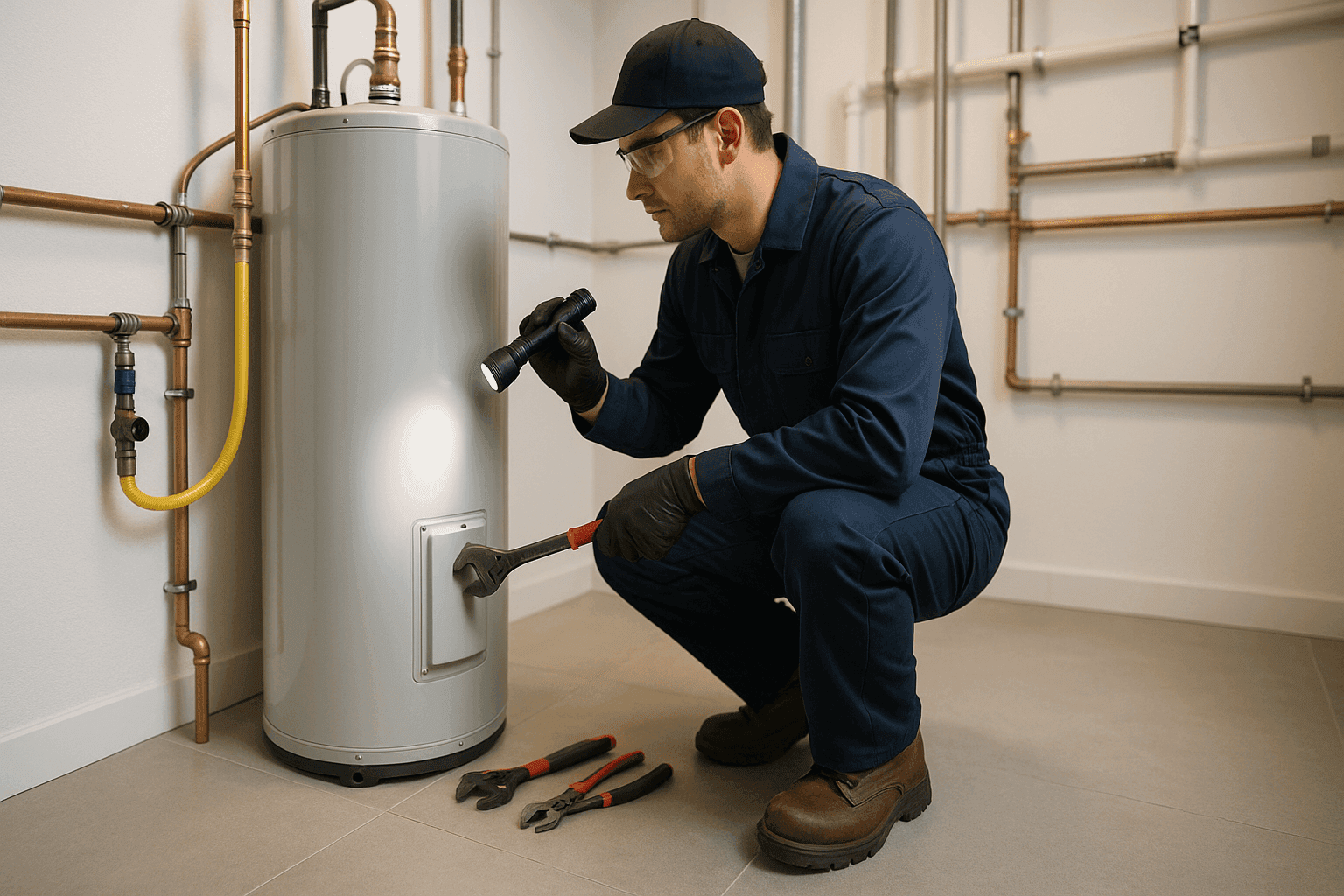
Is your morning shower suddenly an icy surprise? Or maybe you found a puddle under your heater that wasn’t there yesterday. Water heater problems rarely wait for a convenient moment. That’s where Ants Plumbing comes in—swift, thorough, and prepared for any emergency plumbing need.
We know a broken water heater isn’t just inconvenient. It’s disruptive. It can even be dangerous if left unchecked. Here’s your complete guide to getting things back on track—safe, warm, and reliable.
Signs Your Water Heater Needs Repair 🛠️
Water heaters usually whisper before they scream. Spotting early trouble can save you headaches (and cold showers) down the road.
- No Hot Water: The most obvious clue. If your taps run cold, something’s off.
- Water Leaks: Even a small drip from the tank or pipes is a warning sign.
- Weird Noises: Rumbling, banging, or popping? Sediment buildup could be brewing trouble.
- Rusty or Discolored Water: Orange or brown water could mean corrosion inside the tank.
- Inconsistent Temperatures: Hot one minute, cold the next? Time to investigate.
- Low Hot Water Pressure: A drop in pressure often points to sediment or pipe issues.
Don’t ignore these subtle hints. Like ants in the kitchen, small problems can multiply quickly.
Troubleshooting Common Issues
Before you panic, try these quick checks:
No Hot Water
- Electric Heaters: Check the circuit breaker and reset button.
- Gas Heaters: Make sure the pilot light is on and gas supply is working.
- Thermostat Settings: Sometimes, a simple adjustment does the trick.
Leaks
- Check Connections: Inspect pipe joints and fittings for drips.
- Drain Valve: Leaks underneath may come from a loose or faulty drain valve.
- Tank Body: Water pooling from the bottom could signal a failing tank—time to call in the pros.
Strange Noises
- Sediment Buildup: Over time, minerals settle and harden in the tank. This causes popping or rumbling as water heats.
- Flushing: Periodically draining and flushing the tank can clear out sediment and quiet things down.
If the culprit isn’t obvious, or if you’re unsure about handling gas or electrical parts, stop and call a professional. The risks are real.
When to Repair vs. Replace
Not every problem means you need a brand-new unit. But sometimes replacement is the smarter, safer choice.
Repair Makes Sense When:
- The unit is less than 8 years old.
- The issue is minor (like a faulty thermostat or heating element).
- There’s no sign of tank corrosion or major leaks.
Replacement Is the Better Bet If:
- The water heater is 10+ years old (most last about 8–12 years).
- There’s rust in your hot water or visible tank corrosion.
- Leaks are coming from the tank itself.
- Repairs are frequent or getting expensive.
Think of it like patching jeans: Once the fabric is too worn, patches just delay the inevitable.
Choosing the Right Water Heater for Your Home
Swapping your water heater? You’ve got options—each with pros and cons.
Tank vs. Tankless
- Traditional Tank: Stores and heats a set amount of water (usually 40–50 gallons for most homes). Reliable, but less efficient—keeps water hot all day.
- Tankless ("On-Demand"): Heats water only as you use it. Saves energy, takes up less space, and lasts longer (often 15–20 years). But can cost more up front and may require upgrades to your gas or electric lines.
Lifespan & Efficiency
- Tank Units: Typically last 8–12 years. Look for ENERGY STAR® labels for better efficiency.
- Tankless Units: Can last up to 20 years. Higher efficiency, but installation is more complex.
Sizing & Fuel Type
- Size: Match the unit to your household’s needs. Too small, and you’ll run out of hot water. Too big, and you’ll waste energy.
- Fuel: Gas is typically cheaper to run, but electric models can be easier to install.
A licensed technician from Ants Plumbing can walk you through the options and help you make a choice that fits your home—and your budget.
Professional Installation Benefits
Replacing or repairing a water heater isn’t a weekend project. Here’s why hiring licensed, background-checked installers matters:
- Safety: Gas leaks, electrical hazards, and scalding risks are real. According to the National Fire Protection Association, improper water heater installation is a leading cause of residential gas fires.
- Code Compliance: Local plumbing and building codes are complex and always changing. Pros make sure your system passes inspection.
- Warranty Coverage: Most manufacturers require professional installation for warranty claims.
- Long-Term Value: Correct installation means fewer repairs, better efficiency, and longer equipment life.
DIY installation can void warranties and may leave you open to safety hazards. Let a pro handle it.
Quick Safety Checklist ⚠️
- Turn off power (breaker for electric, gas shut-off for gas units) before inspecting.
- Let the heater cool—scalding water and steam can cause serious burns.
- Never disconnect gas lines or wiring unless you’re licensed to do so.
- If you smell gas, evacuate and call emergency services immediately.
- Always check the temperature/pressure relief valve for proper operation.
For more, see guidance from the International Association of Plumbing and Mechanical Officials (IAPMO).
DIY vs. Call a Pro
Some fixes are safe for homeowners. Others can put you—and your family—at risk.
Safe for DIY:
- Resetting a tripped breaker or relighting a pilot light.
- Adjusting the thermostat.
- Flushing sediment (if you follow the manufacturer’s steps).
Call a Pro If:
- You smell gas.
- There’s water pooling around the base.
- You see rust, corrosion, or hear loud pops/booms.
- You’re unsure about any step.
Why risk injury or voiding your warranty? For anything beyond a simple reset, professional help is the safest bet.
What Pros Do On Arrival
Here’s what to expect when Ants Plumbing arrives:
- Assessment: Visual inspection and diagnostic tests to pinpoint the problem.
- Safety Checks: Confirm gas, electrical, and water supplies are secure.
- Repair or Replacement Planning: Recommendations tailored to your system’s age, condition, and your needs.
- Written Estimate: Clear, upfront pricing before work begins.
- Expert Repairs/Installation: Fast, thorough service—backed by warranty coverage.
Our technicians handle everything from sump pump repair near you to full water heater replacements, so you’re never left in the cold.
Prevention & Maintenance
A little routine care goes a long way:
- Annual Flushing: Clears sediment, boosts efficiency, and extends lifespan.
- Test the T&P Valve: Check the temperature/pressure relief valve yearly.
- Inspect Anode Rod: Replace every 3–5 years to prevent tank corrosion.
- Set Thermostat: 120°F is safe and energy-efficient.
- Schedule Preventative Maintenance: A pro’s eye can catch small issues before they become emergencies.
Regular maintenance means fewer surprises and more hot showers for your family.
Costs & Time Factors
Water heater repair and replacement costs vary. Here’s what affects the bottom line:
- Type of Heater: Tankless units cost more up front than traditional tanks.
- Extent of Damage: Simple fixes (thermostat, element) are faster and cheaper than tank replacements.
- Labor: Professional installation is an investment in safety and reliability.
- Parts & Materials: High-efficiency units and code-compliant upgrades can increase costs.
Most traditional replacements take 2–4 hours. Tankless installations may take longer, especially if upgrades are needed.
When It’s an Emergency
Some water heater problems can’t wait:
- Major leaks or tank bursts.
- No hot water in freezing weather (risk of pipe freezing).
- Gas odors or signs of carbon monoxide (headaches, dizziness).
If you’re facing any of these, call for emergency plumbing help right away. Fast response can mean the difference between a quick fix and major water damage.
FAQ
How long should my water heater last?
Most traditional tank heaters last 8–12 years. Tankless models can go up to 20 years with proper care.
What’s the best temperature setting?
120°F is recommended by the U.S. Department of Energy for safety and efficiency.
Can I install a water heater myself?
DIY installation is risky. Gas and electrical hazards can cause injury or void warranties. Always use a licensed professional.
Are tankless water heaters worth it?
They’re more efficient and longer-lasting, but higher up-front cost and possible upgrades make them best for certain homes.
Local and Seasonal Considerations 🌦️
- Cold Climates: Heaters work harder in winter. Insulate pipes to prevent freezing.
- Hard Water Areas: Sediment builds up faster—flush tanks more often.
- Older Homes: May need upgraded venting, piping, or electrical to meet code.
No matter the season or your home’s quirks, Ants Plumbing has seen it all—and fixed it all.
Call Ants Plumbing now — or reach us anytime at 877-753-5879 .